Symptoms and Causes of Gout

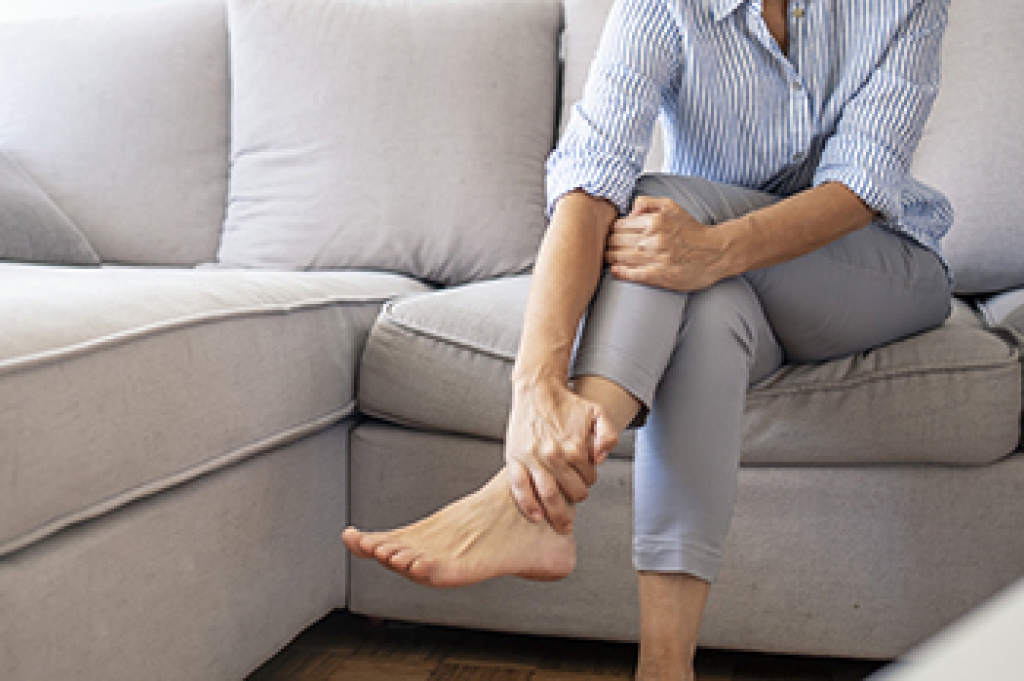
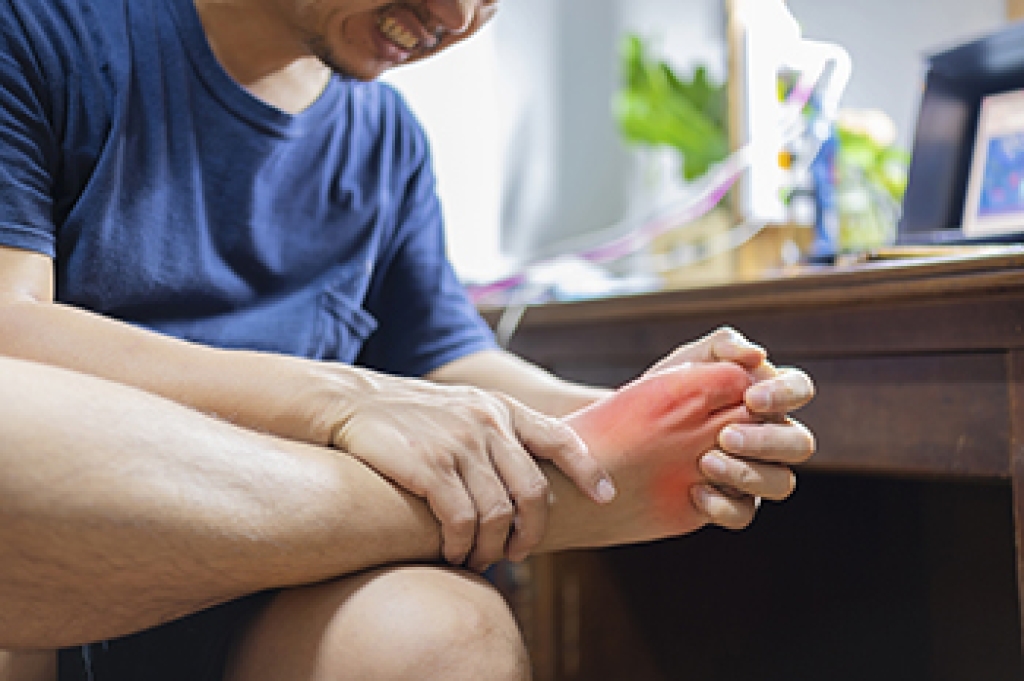
Gout is a painful form of joint inflammation caused by uric acid crystals. Uric acid forms when the body breaks down substances called purines found in many foods. The kidneys normally remove this waste from the blood. When levels become too high, sharp crystals can collect in and around a joint. Gout frequently affects the big-toe joint, although it can develop in the ankle or other foot joints. An attack can begin suddenly. Symptoms include severe pain, swelling, and redness. The joint can also feel warm and extremely tender. Repeated attacks can damage the joint and limit movement.

Several factors can raise the chance of developing gout. Kidney disease can make it harder to remove uric acid. Family history and excess body weight can also increase risk. Men are affected more frequently, while the risk for women rises after menopause. Foods high in purines and excessive alcohol intake can contribute to attacks. Certain health conditions and medications can raise uric acid levels. However, having risk factors does not mean a person will develop gout. Because an infected joint can cause similar symptoms, patients should seek prompt medical care instead of assuming gout is the cause.

A podiatrist can examine the painful area and review when symptoms began. The evaluation includes questions about earlier attacks, health conditions, and medications. Imaging tests can reveal joint damage or rule out another cause. Fluid from the joint can sometimes be checked for crystals or infection. After confirming the diagnosis, the podiatrist can create a plan to ease inflammation and protect the joint. The podiatrist can also discuss risk factors and coordinate care with other doctors. Shoes that reduce pressure on the sore area can be recommended. Continued medical care is important because untreated gout can cause lasting joint damage. If you have symptoms of gout in a toe, foot, or ankle, it is suggested that you are under the care of a podiatrist who can help you to manage this painful condition.

Gout is a foot condition that requires certain treatment and care. If you are seeking treatment, contact Leonora Fihman, DPM from California. Our doctor will treat your foot and ankle needs.

What Is Gout?

Gout is a type of arthritis caused by a buildup of uric acid in the bloodstream. It often develops in the foot, especially the big toe area, although it can manifest in other parts of the body as well. Gout can make walking and standing very painful and is especially common in diabetics and the obese.

People typically get gout because of a poor diet. Genetic predisposition is also a factor. The children of parents who have had gout frequently have a chance of developing it themselves.

Gout can easily be identified by redness and inflammation of the big toe and the surrounding areas of the foot. Other symptoms include extreme fatigue, joint pain, and running high fevers. Sometimes corticosteroid drugs can be prescribed to treat gout, but the best way to combat this disease is to get more exercise and eat a better diet.

If you have any questions, please feel free to contact our office located in Encino, CA . We offer the newest diagnostic and treatment technologies for all your foot care needs.


Read more about Gout

Are You Suffering From Ingrown Toenails?

If left untreated, an ingrown toenail can lead to more serious concerns, such as an infection. Knowing proper nail care can help in the prevention of an ingrown toenail. Give us a call, and get treated!

Running Shoes for Long-Distance Comfort

Long-distance running places repeated stress on the feet, ankles, and knees, making proper footwear important. Running shoes provide cushioning, support, and protection during repetitive movement. Wearing the wrong shoes may contribute to foot pain, heel discomfort, or aching joints. Risk factors include increasing mileage too quickly, wearing worn-out footwear, and shoes that do not match your foot shape or running mechanics.

When choosing shoes for long distance running, start with comfort and fit. Your toes should have enough room to move without allowing your foot to slide inside the shoe. Quality materials, secure construction, and appropriate cushioning can improve durability during training. Function also matters because runners need different levels of support, flexibility, and stability. Consider your running style and terrain. Road runners may benefit from responsive cushioning, while trail runners may need stronger traction and added protection.


Choosing the right running shoe can help reduce pressure during longer workouts. A podiatrist can evaluate your feet, walking pattern, and areas of tenderness when pain develops. Treatment may include activity modification, footwear recommendations, or custom orthotics, when appropriate. If symptoms continue, the podiatrist may recommend imaging or diagnostic testing to identify an underlying condition and guide treatment.


The best running shoe is not necessarily the most expensive or heavily cushioned option. It is the shoe that fits properly, supports your running style, and suits your terrain. It should remain comfortable throughout your mileage. Replace shoes when cushioning, tread, or structural support becomes worn. Pay attention to new pain because discomfort can signal that your footwear or training routine needs attention. If you have developed foot pain while running, it is suggested that you consult a podiatrist for effective relief tips, and guidance on choosing shoes for your running style. 

For more information about walking shoes versus running shoes, consult with Leonora Fihman, DPM from California. Our doctor can measure your feet to determine what your needs are and help you find an appropriate pair of footwear.

Foot Health: The Differences between Walking & Running Shoes

There are great ways to stay in shape: running and walking are two great exercises to a healthy lifestyle. It is important to know that running shoes and walking shoes are not interchangeable. There is a key difference on how the feet hit the ground when someone is running or walking. This is why one should be aware that a shoe is designed differently for each activity.

You may be asking yourself what the real differences are between walking and running shoes and the answers may shock you.

Differences

Walking doesn’t involve as much stress or impact on the feet as running does. However, this doesn’t mean that you should be any less prepared. When you’re walking, you land on your heels and have your foot roll forward. This rolling motion requires additional support to the feet.

Flexibility – Walking shoes are designed to have soft, flexible soles. This allows the walker to push off easily with each step.

If you have any questions, please feel free to contact our office located in Encino, CA . We offer the newest diagnostic and treatment technologies for all your foot care needs.
Read more about Walking Shoes vs. Running Shoes

Treatment of Foot Puncture Wounds

A foot puncture wound occurs when a pointed object pierces the skin and leaves a small entry hole. Nails, glass, and needles are frequent causes. Unlike a cut, a puncture can extend deep into the foot while looking minor at the surface. The object can also push dirt, pieces of sock, or shoe material into the wound. These trapped materials can damage soft tissue and raise the risk of infection. Walking barefoot increases exposure to sharp objects, but a puncture can also pass through a shoe. The wound’s depth and the object’s cleanliness both affect its severity.

Prompt evaluation is important because patients cannot always tell how deeply an object has entered the foot. A retained piece of material can remain hidden beneath the skin. Infection can develop in the skin and spread to a joint or bone. Warning signs include increasing pain, redness, and swelling. Drainage, warmth, or fever can also signal a problem. Diabetes, poor circulation, and reduced feeling in the feet increase the chance of serious complications. A wound that seems small can therefore require urgent attention, especially when the object broke off inside the foot or was dirty.

A podiatrist can examine the wound, determine its depth, and look for damage to nearby structures. The podiatrist can clean the injured area and remove material left beneath the skin. X-rays can reveal foreign objects or bone damage. Other imaging tests can locate materials that do not appear on an X-ray. Treatment includes protecting the foot from pressure and monitoring the wound. The podiatrist can check for infection and decide whether further care or surgery is required. Follow-up visits help confirm that healing is progressing and no hidden material remains. Early care lowers the risk of infection, painful scarring, and lasting damage. If you have a puncture wound on your foot, it is suggested that you schedule an appointment with a podiatrist for effective relief and treatment solutions.

Wound care is an important part in dealing with diabetes. If you have diabetes and a foot wound or would like more information about wound care for diabetics, consult with Leonora Fihman, DPM from California. Our doctor will assess your condition and provide you with quality foot and ankle treatment.

What Is Wound Care?

Wound care is the practice of taking proper care of a wound. This can range from the smallest to the largest of wounds. While everyone can benefit from proper wound care, it is much more important for diabetics. Diabetics often suffer from poor blood circulation which causes wounds to heal much slower than they would in a non-diabetic. 

What Is the Importance of Wound Care?

While it may not seem apparent with small ulcers on the foot, for diabetics, any size ulcer can become infected. Diabetics often also suffer from neuropathy, or nerve loss. This means they might not even feel when they have an ulcer on their foot. If the wound becomes severely infected, amputation may be necessary. Therefore, it is of the upmost importance to properly care for any and all foot wounds.

How to Care for Wounds

The best way to care for foot wounds is to prevent them. For diabetics, this means daily inspections of the feet for any signs of abnormalities or ulcers. It is also recommended to see a podiatrist several times a year for a foot inspection. If you do have an ulcer, run the wound under water to clear dirt from the wound; then apply antibiotic ointment to the wound and cover with a bandage. Bandages should be changed daily and keeping pressure off the wound is smart. It is advised to see a podiatrist, who can keep an eye on it.

If you have any questions please contact our office located in Encino, CA . We offer the newest diagnostic and treatment technologies for all your foot and ankle needs.

Read more about Wound Care

Managing Foot Arthritis With Podiatrist Care

Foot arthritis can cause pain, stiffness, and reduced movement in different parts of the foot. Arthritis develops when a joint becomes damaged or irritated, which can make normal movement uncomfortable. The foot contains many small joints, so arthritis can affect the toes, middle of the foot, or ankle. Some people notice pain while walking, standing, or moving the affected joint. Stiffness can also make it harder to move the foot normally. Symptoms vary, depending on the joint involved and the type of arthritis. A podiatrist can examine the foot and determine which areas are affected. An evaluation can also help identify whether arthritis or another foot problem is causing the symptoms. 

A podiatrist can create a treatment plan based on the location and severity of foot arthritis. Care can include treatments that reduce pressure on painful joints, support proper foot movement, and improve comfort while walking. A podiatrist can also evaluate how the shape and movement of the foot affect painful areas. Wearing shoes that lack proper support can place additional stress on certain parts of the foot, so a podiatrist can discuss footwear choices that better support the affected area. Treatment can also focus on maintaining movement and reducing the effect arthritis has on daily activities.

When foot arthritis causes persistent pain or limits normal activity, a podiatrist can discuss additional treatment options. These options depend on the affected joint, the severity of symptoms, and how well the foot responds to initial care. In some cases, injections can help reduce pain and inflammation. Surgery can also be considered when severe arthritis causes significant pain or makes movement difficult. A podiatrist can explain the available options and help determine which approach fits the condition of the foot. Getting an evaluation can help identify the source of symptoms and provide a clear plan for treatment. If you have symptoms of foot arthritis, it is suggested that you schedule an appointment with a podiatrist for effective relief and management solutions. 

Arthritis can be a difficult condition to live with. If you are seeking treatment, contact Leonora Fihman, DPM from California. Our doctor can provide the care you need to keep you pain-free and on your feet.

Arthritic Foot Care  

Arthritis is a term that is commonly used to describe joint pain.  The condition itself can occur to anyone of any age, race, or gender, and there are over 100 types of it.  Nevertheless, arthritis is more commonly found in women compared to men, and it is also more prevalent in those who are overweight. The causes of arthritis vary depending on which type of arthritis you have. Osteoarthritis for example, is often caused by injury, while rheumatoid arthritis is caused by a misdirected immune system.

Symptoms

  • Swelling
  • Pain
  • Stiffness
  • Decreased Range of Motion

Arthritic symptoms range in severity, and they may come and go. Some symptoms stay the same for several years but could potentially get worse with time. Severe cases of arthritis can prevent its sufferers from performing daily activities and make walking difficult.

Risk Factors

  • Occupation – Occupations requiring repetitive knee movements have been linked to osteoarthritis
  • Obesity – Excess weight can contribute to osteoarthritis development
  • Infection – Microbial agents can infect the joints and trigger arthritis
  • Joint Injuries – Damage to joints may lead to osteoarthritis
  • Age – Risk increases with age
  • Gender –Most types are more common in women
  • Genetics – Arthritis can be hereditary

If you suspect your arthritis is affecting your feet, it is crucial that you see a podiatrist immediately. Your doctor will be able to address your specific case and help you decide which treatment method is best for you.

If you have any questions please feel free to contact our office located in Encino, CA . We offer the newest diagnostic tools and technology to treat your foot and ankle needs.

Read more about How to Care for Your Arthritic Foot

Connect With Us

scroll to top