
Foot Pain Caused by Corns

Corns on the feet are thick, hardened areas of skin that develop in response to repeated pressure or friction. They often form on the tops or sides of the toes, between the toes, or on weight-bearing areas of the feet. Corns are the body’s way of protecting the skin, but they can become painful when pressure continues. Common causes include tight shoes, toe deformities, abnormal foot mechanics, or areas where bones rub against footwear. Symptoms may include foot pain, tenderness, a raised patch of hard skin, or discomfort when walking.


Although corns may seem like a simple skin problem, they can interfere with daily activities and overall foot health. Painful corns can make it difficult to wear shoes comfortably, stand for long periods of time, or walk normally. Some corns are hard and dry, while others may develop between the toes, where the skin stays softer. People with diabetes, poor circulation, or nerve problems should be especially cautious because even small areas of pressure can lead to more serious complications. Since corns can look similar to other foot conditions, an accurate diagnosis is important before treatment begins.


A podiatrist is a foot and ankle specialist who can diagnose corns on the feet and identify what is causing the pressure. During an evaluation, a podiatrist may examine the skin, assess foot structure, and check how the foot moves during walking. Treatment may include professional corn removal, pressure relief, custom orthotics, footwear guidance, or care for related toe problems. Addressing the underlying cause can help reduce pain and lower the chance of recurring corns. Professional podiatry care is especially important when corns are painful, return often, or appear with redness, swelling, or drainage. If you have painful corns on your feet, recurring skin thickening, or difficulty walking due to pressure-related foot pain, it is suggested that you consult a podiatrist for effective relief and treatment options.

Corns can make walking very painful and should be treated immediately. If you have questions regarding your feet and ankles, contact Leonora Fihman, DPM of California. Our doctor will treat your foot and ankle needs.

Corns: What Are They? And How Do You Get Rid of Them?
Corns are thickened areas on the skin that can become painful. They are caused by excessive pressure and friction on the skin. Corns press into the deeper layers of the skin and are usually round in shape.

Ways to Prevent Corns
There are many ways to get rid of painful corns such as:

  • Wearing properly fitting shoes that have been measured by a professional
  • Wearing shoes that are not sharply pointed or have high heels
  • Wearing only shoes that offer support

Treating Corns

Although most corns slowly disappear when the friction or pressure stops, this isn’t always the case. Consult with your podiatrist to determine the best treatment option for your case of corns.

If you have any questions, please feel free to contact our office located in Encino, CA . We offer the newest diagnostic and treatment technologies for all your foot care needs.

Read more about Corns and Calluses

Wounds That Don't Heal Need to Be Checked

Your feet are covered most of the day. If you're diabetic, periodic screening is important for good health. Numbness is often a sign of diabetic foot and can mask a sore or wound.

When Athlete’s Foot Becomes More Serious

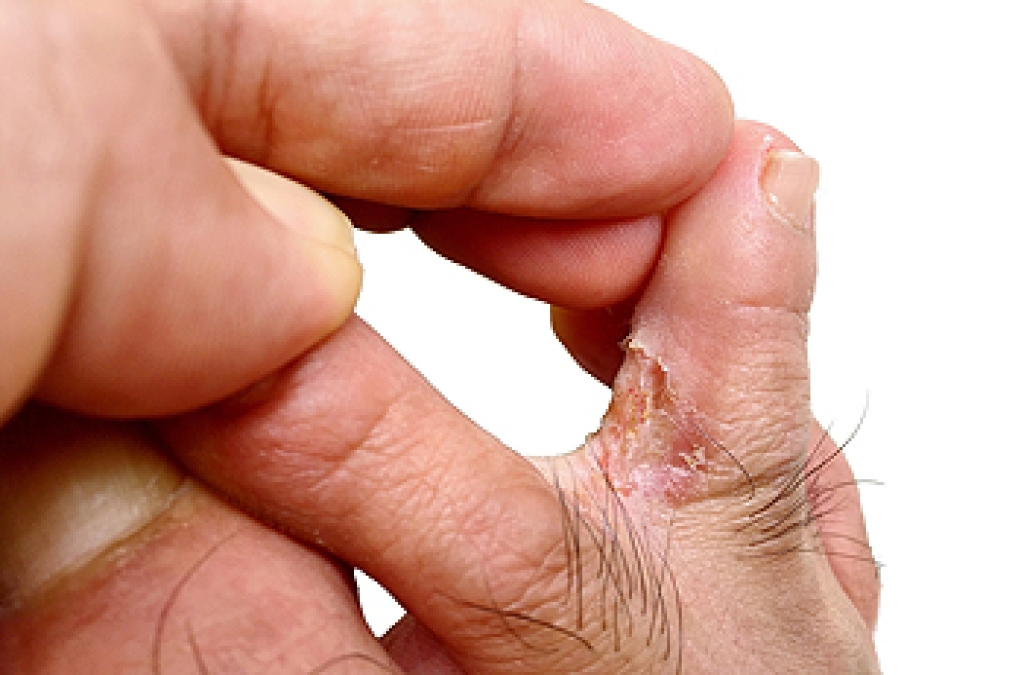
Athlete’s foot is a common fungal skin infection that often causes itching, redness, peeling, and irritation, usually between the toes or along the sole. When the skin becomes severely damaged, bacteria can enter through these openings and cause an additional infection. This may lead to increased redness, swelling, warmth, pain, drainage, or worsening skin breakdown. What begins as a surface skin problem can become more serious, if not properly treated. A podiatrist can determine whether the issue involves a fungal infection alone or a combination of problems that require different treatment approaches. Care may include addressing the infection, protecting damaged skin, reducing moisture buildup, and identifying factors that contributed to the condition. Early treatment helps prevent worsening symptoms and complications. If you have athlete’s foot that is becoming painful, spreading, or showing signs of infection, it is suggested that you visit a podiatrist for prompt evaluation and appropriate treatment solutions.

Athlete’s foot is an inconvenient condition that can be easily reduced with the proper treatment. If you have any concerns about your feet and ankles, contact Leonora Fihman, DPM from California.  Our doctor will treat your foot and ankle needs.

Athlete’s Foot: The Sole Story

Athlete's foot, also known as tinea pedis, can be an extremely contagious foot infection. It is commonly contracted in public changing areas and bathrooms, dormitory style living quarters, around locker rooms and public swimming pools, or anywhere your feet often come into contact with other people.

Solutions to Combat Athlete’s Foot

  • Hydrate your feet by using lotion
  • Exfoliate
  • Buff off nails
  • Use of anti-fungal products
  • Examine your feet and visit your doctor if any suspicious blisters or cuts develop

Athlete’s foot can cause many irritating symptoms such as dry and flaking skin, itching, and redness. Some more severe symptoms can include bleeding and cracked skin, intense itching and burning, and even pain when walking. In the worst cases, Athlete’s foot can cause blistering as well. Speak to your podiatrist for a better understanding of the different causes of Athlete’s foot, as well as help in determining which treatment options are best for you.

If you have any questions please feel free to contact our office located in Encino, CA . We offer the newest diagnostic and treatment technologies for all your foot and ankle needs.

Read more about How to Deal with Athlete's Foot

Ankle Arthritis and Joint Pain

Ankle arthritis is a condition where the cartilage in the ankle joint gradually wears down, leading to pain, stiffness, and reduced movement. It can develop from previous injuries such as fractures or sprains, or from long-term wear and tear on the joint. Inflammatory conditions like rheumatoid arthritis may also contribute to its development. Common symptoms include swelling, aching pain when walking, and stiffness that is often worse in the morning or after rest. Some people may notice difficulty with daily activities like climbing stairs or standing for long periods. Risk factors include aging, repetitive joint stress, obesity, and prior ankle trauma. Over time, the condition can progress and affect mobility if not properly managed. A podiatrist can evaluate joint damage, order imaging, and provide treatments to reduce pain and improve function. If you have symptoms of ankle arthritis, it is suggested that you consult a podiatrist who can offer appropriate relief and management tips. 

Arthritis can be a difficult condition to live with. If you are seeking treatment, contact Leonora Fihman, DPM from California. Our doctor can provide the care you need to keep you pain-free and on your feet.

Arthritic Foot Care  

Arthritis is a joint disorder that involves the inflammation of different joints in your body, such as those in your feet. Arthritis is often caused by a degenerative joint disease and causes mild to severe pain in all affected areas. In addition to this, swelling and stiffness in the affected joints can also be a common symptom of arthritis.

In many cases, wearing ill-fitting shoes can worsen the effects and pain of arthritis. Wearing shoes that have a lower heel and extra room can help your feet feel more comfortable. In cases of rheumatoid arthritis, the arch in your foot may become problematic. Buying shoes with proper arch support that contour to your feet can help immensely.

Alleviating Arthritic Pain

  • Exercises that stretch the foot can prevent further pain and injury and increase mobility
  • Most of the pain can be alleviated with anti-inflammatory drugs, heat, and topical medications
  • Massages can help temporarily alleviate pain.

It is best to see your doctor for the treatment that is right for your needs and symptoms. Conditions vary, and a podiatrist can help you determine the right method of care for your feet.

If you have any questions please feel free to contact our office located in Encino, CA . We offer the newest diagnostic tools and technology to treat your foot and ankle needs.

Read more about Arthritic Foot Care

Foot Changes During Pregnancy

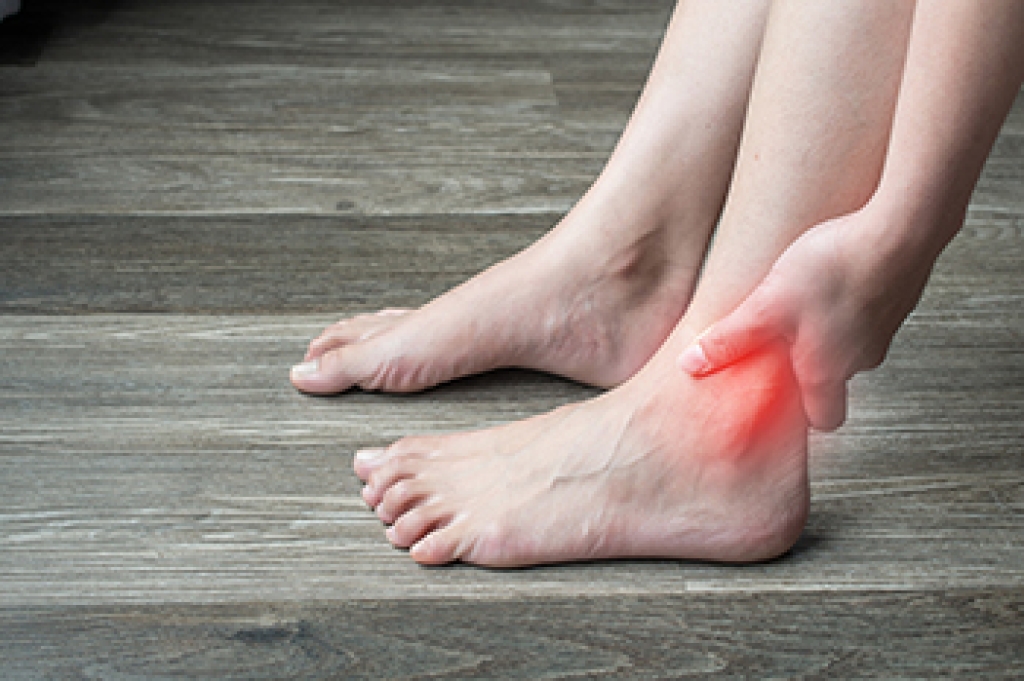
Foot pain during pregnancy is a common concern as the body goes through physical and hormonal changes. Increased weight places added pressure on the feet, while hormonal shifts can loosen ligaments and affect foot structure. Many women notice their feet have become swollen, achy, or a feeling of heaviness, especially later in the day. Fluid retention may worsen with high sodium intake, while low potassium levels can contribute to cramping. Caffeine may also affect circulation and increase discomfort for some individuals. Over time, these changes can alter walking patterns and strain joints. A podiatrist can evaluate foot alignment, monitor swelling, and recommend supportive treatments such as custom orthotics or footwear guidance to reduce stress on the feet. Proper care can help maintain comfort and mobility throughout pregnancy. If you have foot pain during your pregnancy, it is suggested that you consult a podiatrist who can offer effective relief tips.

Pregnant women with swollen feet can be treated with a variety of different methods that are readily available. For more information about other cures for swollen feet during pregnancy, consult with Leonora Fihman, DPM from California. Our doctor will attend to all of your foot and ankle needs.

What Foot Problems Can Arise During Pregnancy?

One problem that can occur is overpronation, which occurs when the arch of the foot flattens and tends to roll inward.  This can cause pain and discomfort in your heels while you’re walking or even just standing up, trying to support your baby.  

Another problem is edema, or swelling in the extremities. This often affects the feet during pregnancy but tends to occur in the later stages. 

How Can I Keep My Feet Healthy During Pregnancy?

  • Wearing orthotics can provide extra support for the feet and help distribute weight evenly
  • Minimize the amount of time spent walking barefoot
  • Wear shoes with good arch support
  • Wear shoes that allow for good circulation to the feet
  • Elevate feet if you experience swelling
  • Massage your feet
  • Get regular, light exercise, such as walking, to promote blood circulation to the feet

If you have any questions, please feel free to contact our office located in Encino, CA . We offer the newest diagnostic and treatment technologies for all your foot care needs.
Read more about Foot Care for Pregnant Women

What a Podiatrist Treats

A podiatrist is a medical specialist who focuses on diagnosing and treating conditions of the feet and ankles. They manage a wide range of problems including bunions, fungal infections, ingrown toenails, and diabetes-related foot complications. Bunions appear as a bony bump at the base of the big toe, and may cause pain or misalignment. Fungal infections can lead to thick, discolored nails or skin irritation, and ingrown toenails occur when the nail grows into the surrounding skin, causing redness and discomfort. Diabetes-related foot complications encompass a range of conditions, including neuropathy, poor circulation, ulceration, infection, and impaired wound healing. A podiatrist can provide an accurate diagnosis, advanced treatment options, and ongoing care to improve foot health and prevent complications. If you have foot or ankle pain, it is strongly suggested that you visit a podiatrist for an evaluation and appropriate treatment options.

If you are dealing with pain in your feet and ankles, you may want to seek help from a podiatrist. Feel free to contact Leonora Fihman, DPM from California. Our doctor can provide the care you need to keep you pain-free and on your feet.

What Is a Podiatrist?

A podiatrist diagnoses and treats conditions of the foot, ankle, and related structures of the leg. Your podiatrist may specialize in a certain field such as sports medicine, wound care, pediatrics, and diabetic care. Podiatrists have the ability to become board certified through training, clinical experience, and then taking an exam.

What Do Podiatrists Do?

On a daily basis, a podiatrist may perform the following activities:

  • Diagnose foot ailments such as ulcers, tumors, fractures, etc.
  • Use innovative methods to treat conditions
  • Use corrective orthotics, casts, and strappings to correct deformities
  • Correct walking patterns and balance
  • Provide individual consultations to patients

It is very important that you take care of your feet. It’s easy to take having healthy feet for granted, however foot problems tend to be among the most common health conditions. Podiatrists can help diagnose and treat a variety of feet related conditions, so it is crucial that you visit one if you need assistance.

If you have any questions, please feel free to contact our office located in Encino, CA . We offer the newest diagnostic and treatment technologies for all your foot care needs.

Read more about What is a Podiatrist?

Connect With Us

scroll to top