
Custom orthotics, or shoe inserts, should be periodically replaced. Orthotics must fit properly to give you the best results. Protect your feet and ankles!
Custom orthotics, or shoe inserts, should be periodically replaced. Orthotics must fit properly to give you the best results. Protect your feet and ankles!
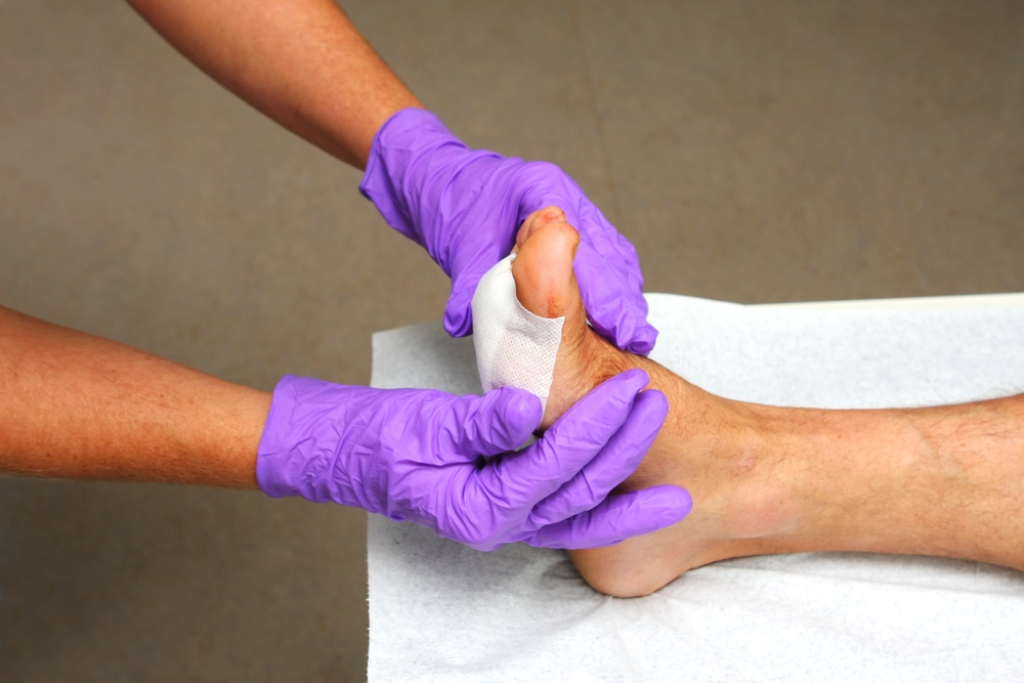 Wounds take time and attention to heal, especially when they are on the foot. Similar to injuries known as bedsores, wounds on the bottom of the feet are constantly under pressure. This pressure slows the healing process, because blood flow is weakened. Keeping pressure off the wound is essential in order to get the blood flowing back into the foot and facilitate the healing process. This can be done in easy ways, such as sitting or laying down. Standing directly on a wound probably causes some discomfort anyway, so giving it time to breathe is important. If you have an open wound on your foot and have additional questions, then it is recommended that you speak with a podiatrist to learn about the proper treatment options.
Wound care is an important part in dealing with diabetes. If you have diabetes and a foot wound or would like more information about wound care for diabetics, consult with Leonora Fihman, DPM from California. Our doctor will assess your condition and provide you with quality foot and ankle treatment.
What Is Wound Care?
Wound care is the practice of taking proper care of a wound. This can range from the smallest to the largest of wounds. While everyone can benefit from proper wound care, it is much more important for diabetics. Diabetics often suffer from poor blood circulation which causes wounds to heal much slower than they would in a non-diabetic.
What Is the Importance of Wound Care?
While it may not seem apparent with small ulcers on the foot, for diabetics, any size ulcer can become infected. Diabetics often also suffer from neuropathy, or nerve loss. This means they might not even feel when they have an ulcer on their foot. If the wound becomes severely infected, amputation may be necessary. Therefore, it is of the upmost importance to properly care for any and all foot wounds.
How to Care for Wounds
The best way to care for foot wounds is to prevent them. For diabetics, this means daily inspections of the feet for any signs of abnormalities or ulcers. It is also recommended to see a podiatrist several times a year for a foot inspection. If you do have an ulcer, run the wound under water to clear dirt from the wound; then apply antibiotic ointment to the wound and cover with a bandage. Bandages should be changed daily and keeping pressure off the wound is smart. It is advised to see a podiatrist, who can keep an eye on it.
If you have any questions please contact our office located in Encino, CA . We offer the newest diagnostic and treatment technologies for all your foot and ankle needs.
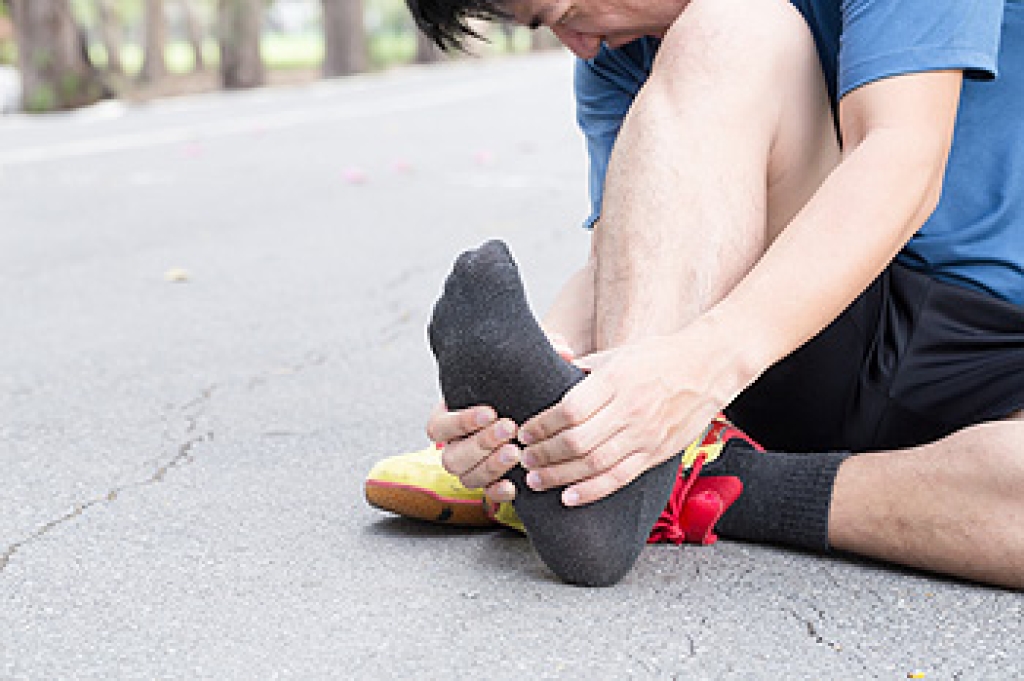 The most common cause for pain in the side of your foot is cuboid syndrome and it occurs when the cuboid, a small bone in the outer foot, is dislocated. This can be a result of an injury to the ankle or just simply repetitive movements that put stress on the outer foot. Unfortunately, this syndrome can sometimes be hard for doctors to diagnose because cuboid misalignments may not show up on x-rays or MRIs. However, these tests do help your doctor eliminate other possible reasons for the outer foot pain. One way doctors diagnose cuboid syndrome is by moving the foot inwards and outwards to see exactly where the pain is stemming from. After receiving a proper diagnosis, this syndrome is easily fixed. Oftentimes, a podiatrist can efficiently relocate the bone, which is followed by only minor aching. If you are feeling pain on the side of your foot and suspect that it may be cuboid syndrome, then it is strongly recommended that you consult with a podiatrist to receive effective treatment.
Cuboid syndrome, also known as cuboid subluxation, occurs when the joints and ligaments near the cuboid bone in the foot become torn. If you have cuboid syndrome, consult with Leonora Fihman, DPM from California. Our doctor will assess your condition and provide you with quality foot and ankle treatment.
Cuboid syndrome is a common cause of lateral foot pain, which is pain on the outside of the foot. The condition may happen suddenly due to an ankle sprain, or it may develop slowly overtime from repetitive tension through the bone and surrounding structures.
Causes
The most common causes of cuboid syndrome include:
Symptoms
A common symptom of cuboid syndrome is pain along the outside of the foot which can be felt in the ankle and toes. This pain may create walking difficulties and may cause those with the condition to walk with a limp.
Diagnosis
Diagnosis of cuboid syndrome is often difficult, and it is often misdiagnosed. X-rays, MRIs and CT scans often fail to properly show the cuboid subluxation. Although there isn’t a specific test used to diagnose cuboid syndrome, your podiatrist will usually check if pain is felt while pressing firmly on the cuboid bone of your foot.
Treatment
Just as the range of causes varies widely, so do treatments. Some more common treatments are ice therapy, rest, exercise, taping, and orthotics.
If you have any questions, please feel free to contact our office located in Encino, CA . We offer the newest diagnostic and treatment technologies for all your foot care needs.

Suffering from this type of pain? You may have the foot condition known as Morton's neuroma. Morton's neuroma may develop as a result of ill-fitting footwear and existing foot deformities. We can help.
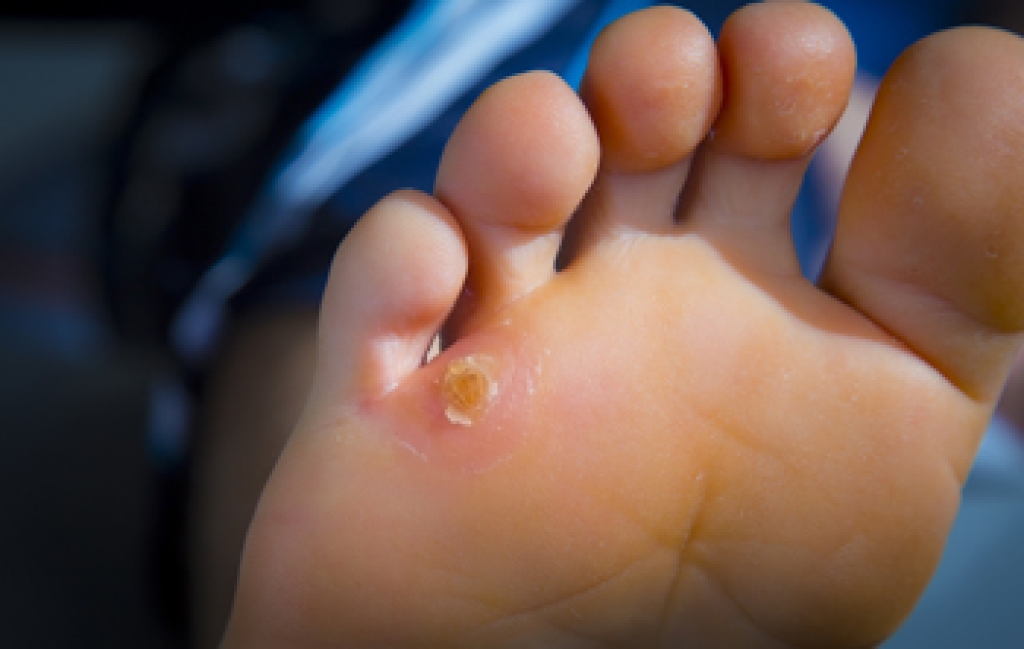 If you have pain on the inner side of your pinky toe, you may have what is referred to as a corn. They can vary in size and can produce a significant amount of discomfort. This condition is typically caused by excess pressure that may originate from the type of shoe that is worn. The body manufactures this natural defense mechanism to protect the skin from pressure that is caused by friction. There may be medical conditions that may contribute to the onset of corns, and these may include hammertoe, or walking abnormalities. The easiest way to treat a corn is to remove the cause of the friction that may have caused it. Some patients claim partial relief may be found by using corn pads, or small pieces of cushioning, which may absorb some of the pressure. If you have a corn, it is advised to be under the care of a podiatrist who can properly determine the cause and offer the best treatment options for you.
If you have any concerns regarding your feet and ankles, contact Leonora Fihman, DPM of California. Our doctor will treat your foot and ankle needs.
Corns: What Are They? and How Do You Get Rid of Them?
Corns can be described as areas of the skin that have thickened to the point of becoming painful or irritating. They are often layers and layers of the skin that have become dry and rough, and are normally smaller than calluses.
Ways to Prevent Corns
There are many ways to get rid of painful corns such as wearing:
Treating Corns
Treatment of corns involves removing the dead skin that has built up in the specific area of the foot. Consult with Our doctor to determine the best treatment option for your case of corns.
If you have any questions, please feel free to contact our office located in Encino, CA . We offer the newest diagnostic and treatment technologies for all your foot care needs.
Connect With Us
