
Have you noticed a bony protrusion on the side of your big toe? If so, you may have developed the foot condition known as a bunion. Don't let bunions interfere with your daily activities.
Have you noticed a bony protrusion on the side of your big toe? If so, you may have developed the foot condition known as a bunion. Don't let bunions interfere with your daily activities.

Diabetic limb salvage focuses on preserving a foot or lower limb when diabetes has caused a serious wound. Diabetes can damage nerves in the feet, making injuries harder to notice. Blood vessel disease can further complicate diabetic foot ulcers by reducing circulation needed for healing. When a small injury progresses, it may develop into persistent ulceration and eventually damage bones or joints. Advanced diabetic foot disease can lead to limb loss when the damage becomes too extensive to reconstruct. For this reason, assessment and timely management are important when diabetic foot wounds develop.
Not every diabetic foot wound requires the same approach. The source describes limb salvage as a possible option for appropriately selected patients with complex or complicated wounds. Evaluation of blood flow is essential because narrowed arteries can interfere with healing. In some cases, circulation must be improved before treatment of the ulcer can move forward. More serious wounds may require removal of damaged tissue followed by reconstructive surgery. However, deciding whether reconstruction is appropriate requires evaluation because some wounds may be too advanced for successful salvage.
A podiatrist can play an important role in identifying diabetic foot problems and determining when more advanced care is necessary. Evaluation may include checking the wound and assessing changes related to nerve damage. Blood flow must also be considered. Diabetic limb salvage can involve several specialists when circulation problems or complex reconstruction are present. The goal is to manage serious diabetic foot wounds while preserving a functional limb whenever reconstruction is appropriate. Early attention is important because progressive ulcers can damage deeper structures and make limb preservation more difficult. If you have diabetes and develop a persistent foot ulcer or foot wound, it is suggested that you consult a podiatrist promptly for an evaluation and appropriate treatment options.
Limb salvage can be an effective way in preventing the need for limb amputation. If you have diabetes, cancer, or any other condition that could lead to foot amputation if left unchecked, consult with Leonora Fihman, DPM from California. Our doctor will assess your condition and provide you with quality foot and ankle treatment.
What Is Limb Salvage?
Limb salvage is the attempt of saving a limb, such as the foot from amputation. Podiatrists also try to make sure that there is enough function in the foot after the salvage that it is still usable. Diabetes is the number one cause of non-traumatic amputations in the United States. Those with diabetes experience poor blood circulation, which prevents proper healing of an ulcer. If the ulcer is left uncheck, it could become infected, which could result in the need for amputation.
However, there are other causes as well, such as cancer and traumatic injury. Links between higher mortality rates and amputation have been found. This translates into higher healthcare costs, and a reduced quality of life and mobility for amputees. Podiatrists have attempted to increase the prevalence of limb salvage in an attempt to solve these issues.
Diagnosis and Treatment
Limb salvage teams have grown in recent years that utilize a number of different treatments to save the infected limb. This includes podiatrists that specialize in wound care, rehabilitation, orthotics, and surgery. Through a combination of these methods, limb salvage has been found to be an effective treatment for infected limbs, and as an alternative to amputation. Podiatrists will first evaluate the potential for limb salvage and determine if the limb can be saved or must be amputated.
If you have any questions, please feel free to contact our office located in Encino, CA . We offer the newest diagnostic and treatment technologies for all your foot care needs.
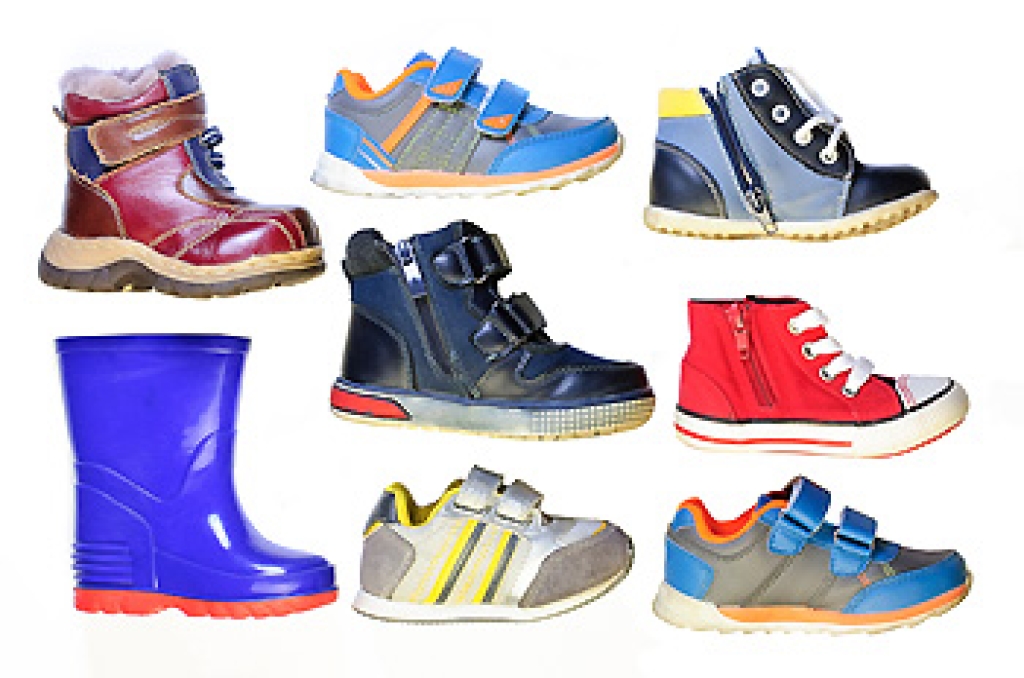
Foot pain in children can happen for many reasons, including activity, injury, or an underlying foot problem. Common symptoms are aching, tenderness, or pain after sports. Children may also complain that their feet feel tired or hurt while walking. Foot pain can affect the heel, arch, or ankle, depending on the cause.
Several types of foot pain can affect children. Blisters and pressure spots may develop when shoes rub the skin. Sprains can happen during play. Flat feet, heel pain, and problems with foot alignment may also cause discomfort. Risk factors include high activity levels, previous injuries, and structural differences. Children may not always explain pain clearly, so parents should watch for changes in walking, frequent shoe removal, or avoiding activities.
Proper footwear can help protect growing feet during everyday activities. Shoes should provide enough room for toes without allowing the foot to slide inside. A supportive heel counter can improve stability, while flexible materials allow comfortable movement. Good cushioning can reduce pressure during walking and sports. Children often react quickly when shoes feel uncomfortable. They may complain, remove their shoes, or refuse to wear them. Parents should take these reactions seriously and check for tight areas, rubbing, or worn-out soles.
When foot pain continues, a podiatrist can examine the child's feet, walking pattern, and footwear. The evaluation may include checking alignment, range of motion, and signs of injury. Treatment depends on the cause and may include activity changes, supportive shoes, or care for an injury. A podiatrist can also recommend footwear and monitor healing. If your child has foot pain, it is suggested that you consult a podiatrist for effective relief tips, and additional guidance on how to know if your child’s shoes are comfortable.
The health of a child’s feet is vital to their overall well-being. If you have any questions regarding foot health, contact Leonora Fihman, DPM of California. Our doctor can provide the care you need to keep you pain-free and on your feet.
Tips for Keeping Children's Feet Healthy
If you have any questions, please feel free to contact our office located in Encino, CA . We offer the newest diagnostic and treatment technologies for all your foot care needs.
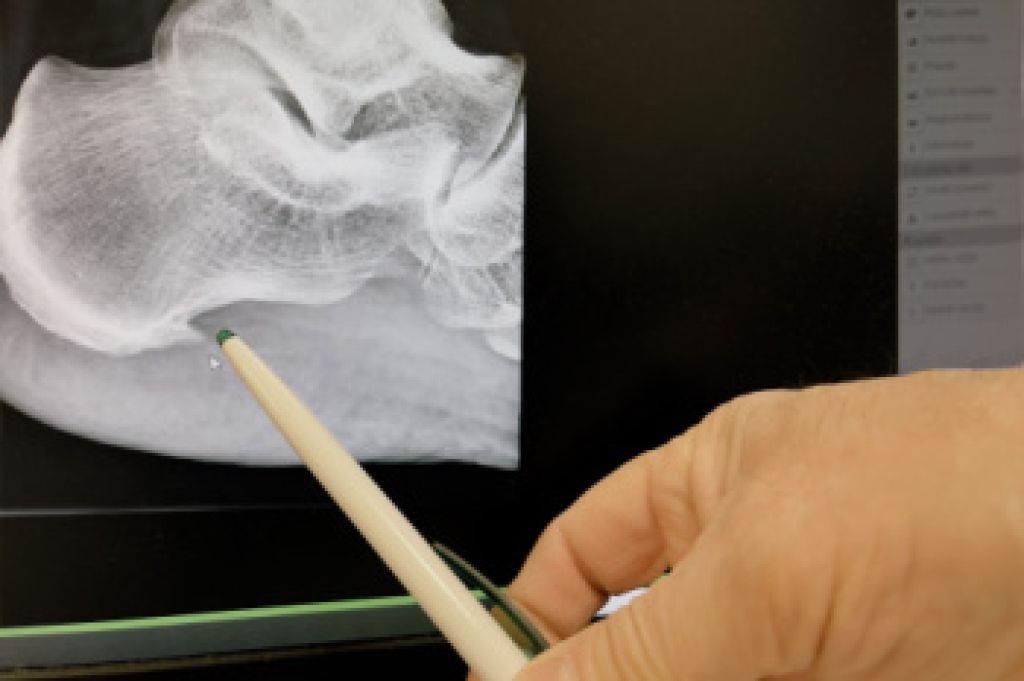
A heel spur is a small, bony growth that can develop on the heel bone. A plantar heel spur forms beneath the heel, while a posterior heel spur develops near the back of the heel. These growths can occur when repeated stress causes changes where soft tissue attaches to bone. Heel spurs may be found during an X-ray even when they cause no symptoms. When symptoms do occur, people may notice heel pain, tenderness, or discomfort while standing or walking.
Heel spurs are often associated with long-term strain on the foot. Risk factors include repetitive activity, excess pressure on the feet, and certain foot structures. Wearing unsupportive shoes can also increase stress around the heel. Flat feet and high arches may change how pressure moves through the foot. Previous foot injuries can contribute as well. Although a heel spur can look like a small pointed projection on an X-ray, its appearance does not always explain the amount of pain a person experiences.
Symptoms can vary depending on where the heel spur develops and what structures surround it. A plantar heel spur may be linked with pain beneath the heel, especially after periods of rest. A posterior heel spur may cause discomfort where the Achilles tendon meets the heel. Swelling or tenderness can develop around irritated tissue. A podiatrist will review your symptoms and examine your foot. X-rays may help identify a spur and evaluate the surrounding bone structure.
Treatment focuses on reducing pressure and addressing the source of irritation. A podiatrist may recommend wearing supportive footwear, custom or activity changes based on your needs. Medication may help manage discomfort when appropriate. The foot can then be monitored as symptoms improve. Surgery is generally considered only when persistent pain does not respond to conservative care. If you have heel pain, it is strongly suggested that you consult a podiatrist who can accurately diagnose and treat heel spurs.
Heel spurs can be incredibly painful and sometimes may make you unable to participate in physical activities. To get medical care for your heel spurs, contact Leonora Fihman, DPM from California. Our doctor will do everything possible to treat your condition.
Heels Spurs
Heel spurs are formed by calcium deposits on the back of the foot where the heel is. This can also be caused by small fragments of bone breaking off one section of the foot, attaching onto the back of the foot. Heel spurs can also be bone growth on the back of the foot and may grow in the direction of the arch of the foot.
Older individuals usually suffer from heel spurs and pain sometimes intensifies with age. One of the main condition's spurs are related to is plantar fasciitis.
Pain
The pain associated with spurs is often because of weight placed on the feet. When someone is walking, their entire weight is concentrated on the feet. Bone spurs then have the tendency to affect other bones and tissues around the foot. As the pain continues, the feet will become tender and sensitive over time.
Treatments
There are many ways to treat heel spurs. If one is suffering from heel spurs in conjunction with pain, there are several methods for healing. Medication, surgery, and herbal care are some options.
If you have any questions, please feel free to contact our office located in Encino, CA . We offer the newest diagnostic and treatment technologies for all your foot care needs.

A blister is a raised pocket of fluid that forms when the upper layers of skin separate. On the feet, repeated friction is the leading cause. Shoes that are too tight, loose, or stiff can rub the skin. Heat and moisture can make this rubbing worse. Blisters frequently develop on the heels, toes, or balls of the feet. Symptoms of foot blisters include tenderness, redness, and a fluid-filled bubble. Although most blisters heal within several days to a week, pressure can delay healing and increase discomfort.
Some people face a greater risk of complications from a foot blister. Diabetes, poor circulation, or reduced feeling in the feet can make a small wound harder to notice and heal. A blister that breaks can invite a bacterial infection. Warning signs of infection include increasing redness, warmth, or swelling. Drainage, worsening pain, and red streaks also require medical attention. A podiatrist can examine blisters that are severe, keep returning, or do not improve. Prompt care is especially important for patients with diabetes or circulation problems, since an untreated infection can threaten tissue and raise the risk of limb loss.
Popping a blister yourself is not recommended. A podiatrist can clean and protect the area, safely draining a large blister while preserving its protective skin, or applying a dressing. The podiatrist can also reduce pressure with padding or custom orthotics. To help prevent new blisters, the podiatrist may assess shoe fit, foot shape, and walking patterns. Recommendations can include wearing well-fitting shoes, moisture-wicking socks, and protective padding for areas that rub. Patients who develop repeated blisters may need an evaluation for a bony prominence or another source of pressure. Addressing the cause can improve comfort and reduce the chance of another blister forming. If you have a painful blister on the foot, it is suggested that you schedule an appointment with a podiatrist for effective relief and prevention tips.
Blisters may appear as a single bubble or in a cluster. They can cause a lot of pain and may be filled with pus, blood, or watery serum. If your feet are hurting, contact Leonora Fihman, DPM of California. Our doctor can provide the care you need to keep you pain-free and on your feet.
Foot Blisters
Foot blisters are often the result of friction. This happens due to the constant rubbing from shoes, which can lead to pain.
What Are Foot Blisters?
A foot blister is a small fluid-filled pocket that forms on the upper-most layer of the skin. Blisters are filled with clear fluid and can lead to blood drainage or pus if the area becomes infected.
Symptoms
(Blister symptoms may vary depending on what is causing them)
Prevention & Treatment
In order to prevent blisters, you should be sure to wear comfortable shoes with socks that cushion your feet and absorb sweat. Breaking a blister open may increase your chances of developing an infection. However, if your blister breaks, you should wash the area with soap and water immediately and then apply a bandage to the affected area. If your blisters cause severe pain it is important that you call your podiatrist right away.
If you have any questions, please feel free to contact our office located in Encino, CA . We offer the newest diagnostic and treatment technologies for all your foot care needs.
Connect With Us
