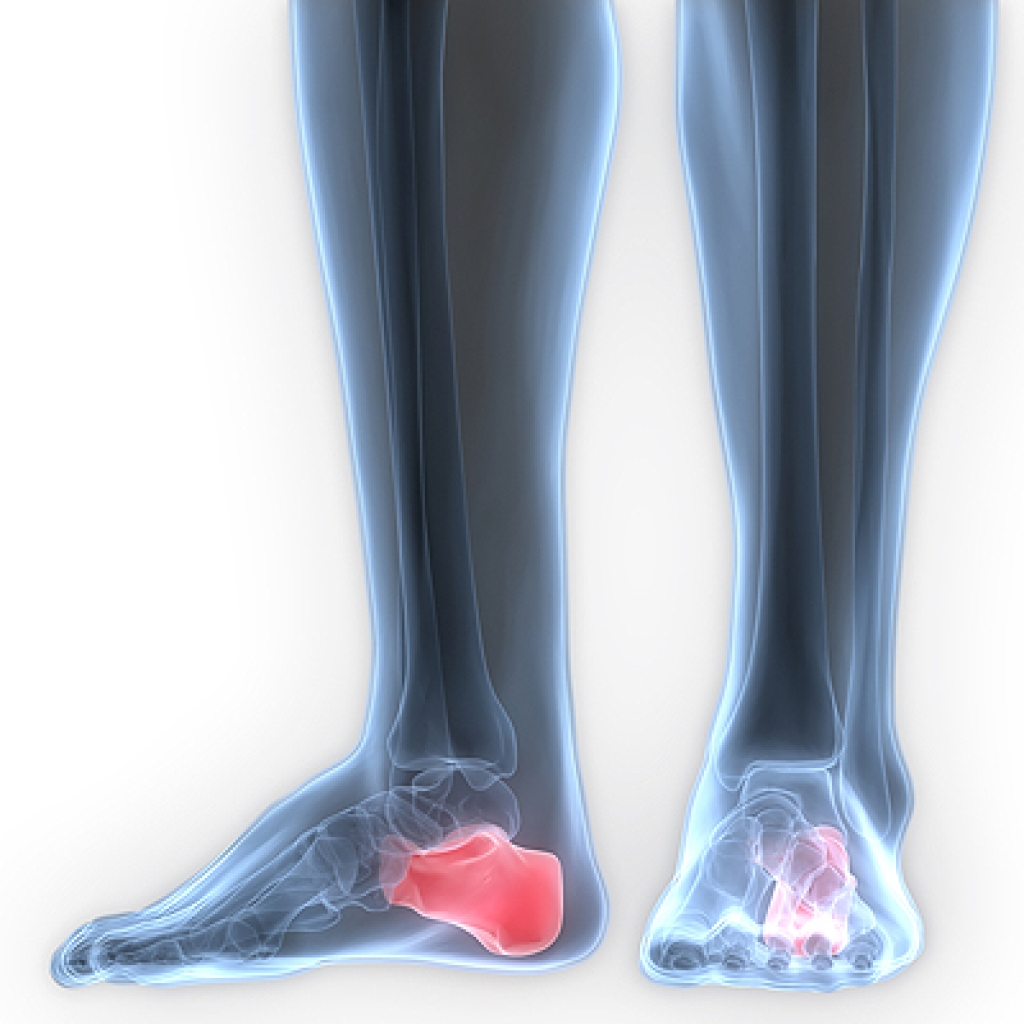
Have I Developed Cuboid Syndrome?

There is a small bone that can be found on the outside, near the middle of the foot. This is referred to as the cuboid bone, which is attached to the heel bone by ligaments. If the tissues surrounding the cuboid bone become injured, the medical condition that is known as cuboid syndrome may develop. A common symptom that is generally associated with this condition may consist of pain and discomfort on the outside of the foot, which may then spread to the toes. The affected area may become swollen, and make it difficult to walk on uneven surfaces. Additionally, limping may become a natural method of dispersing some of the body’s weight. This condition may be caused by enduring an ankle injury, or if the patient has flat feet. Moderate relief may be found if the affected foot is elevated, as this may help to reduce a portion of the swelling. If you have these types of symptoms, it is strongly suggested that you consult with a podiatrist who can properly treat this condition.

Cuboid syndrome, also known as cuboid subluxation, occurs when the joints and ligaments near the cuboid bone in the foot become torn. If you have cuboid syndrome, consult with Leonora Fihman, DPM from California. Our doctor will assess your condition and provide you with quality foot and ankle treatment.

Cuboid syndrome is a common cause of lateral foot pain, which is pain on the outside of the foot. The condition may happen suddenly due to an ankle sprain, or it may develop slowly overtime from repetitive tension through the bone and surrounding structures.

Causes

The most common causes of cuboid syndrome include:

  • Injury – The most common cause of this ailment is an ankle sprain.
  • Repetitive Strain – Tension placed through the peroneus longus muscle from repetitive activities such as jumping and running may cause excessive traction on the bone causing it to sublux.
  • Altered Foot Biomechanics – Most people suffering from cuboid subluxation have flat feet.

Symptoms

A common symptom of cuboid syndrome is pain along the outside of the foot which can be felt in the ankle and toes. This pain may create walking difficulties and may cause those with the condition to walk with a limp.

Diagnosis

Diagnosis of cuboid syndrome is often difficult, and it is often misdiagnosed. X-rays, MRIs and CT scans often fail to properly show the cuboid subluxation. Although there isn’t a specific test used to diagnose cuboid syndrome, your podiatrist will usually check if pain is felt while pressing firmly on the cuboid bone of your foot.

Treatment

Just as the range of causes varies widely, so do treatments. Some more common treatments are ice therapy, rest, exercise, taping, and orthotics.

If you have any questions, please feel free to contact our office located in Encino, CA . We offer the newest diagnostic and treatment technologies for all your foot care needs.

Read more about All About Cuboid Syndrome

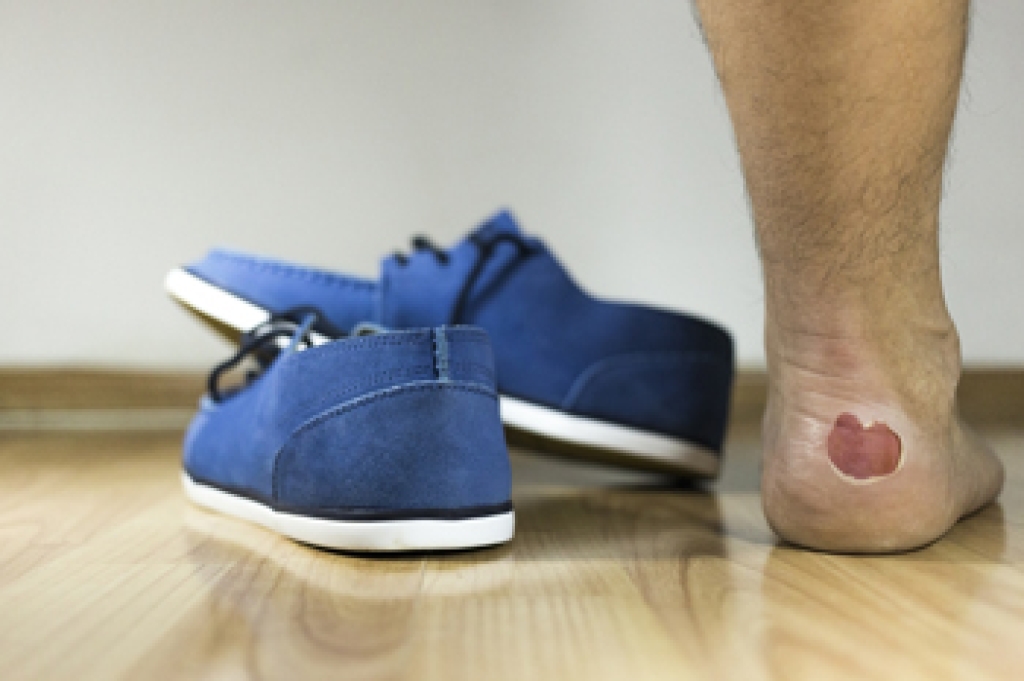
Ways to Help Prevent Blisters From Forming

Blisters may develop on your feet as a means to help protect your body’s tissues. They are fluid filled sacs that will typically drain on their own. They can however, be incredibly uncomfortable.  Blisters may form due to friction when the skin is rubbing against the inside of the shoes, especially in footwear that is too tight. They are more likely to develop when the weather is warmer, since the skin of the feet get sweatier and softer, making it more susceptible to damage. To help prevent a blister, it is suggested that you shop towards the end of the day, when your feet are at their largest, that way you can avoid buying shoes that are too small. Make sure you are also fitting shoes to your feet, not just going by the size you see. It may also help to focus on wearing footwear that is made of breathable, light, and flexible material for ultimate comfort. If you tend to develop blisters easily, it’s also suggested to look into shoes with anti-friction padding. For more advice on how to prevent and treat blisters, it’s suggested that you seek the professional care of a podiatrist.

Blisters may appear as a single bubble or in a cluster. They can cause a lot of pain and may be filled with pus, blood, or watery serum. If your feet are hurting, contact Leonora Fihman, DPM of California. Our doctor can provide the care you need to keep you pain-free and on your feet.

Foot Blisters

Foot blisters are often the result of friction. This happens due to the constant rubbing from shoes, which can lead to pain.

What Are Foot Blisters?

A foot blister is a small fluid-filled pocket that forms on the upper-most layer of the skin. Blisters are filled with clear fluid and can lead to blood drainage or pus if the area becomes infected.

Symptoms

(Blister symptoms may vary depending on what is causing them)

  • Bubble of skin filled with fluid
  • Redness
  • Moderate to severe pain
  • Itching

Prevention & Treatment

In order to prevent blisters, you should be sure to wear comfortable shoes with socks that cushion your feet and absorb sweat. Breaking a blister open may increase your chances of developing an infection. However, if your blister breaks, you should wash the area with soap and water immediately and then apply a bandage to the affected area. If your blisters cause severe pain it is important that you call your podiatrist right away.

If you have any questions, please feel free to contact our office located in Encino, CA . We offer the newest diagnostic and treatment technologies for all your foot care needs.
Read more about Blisters

Do Your Child's Feet Hurt?

Have your child's feet been examined lately? Healthy feet are happy feet. If your child is complaining of foot pain, it may be a sign of underlying problems.

Types of Corns

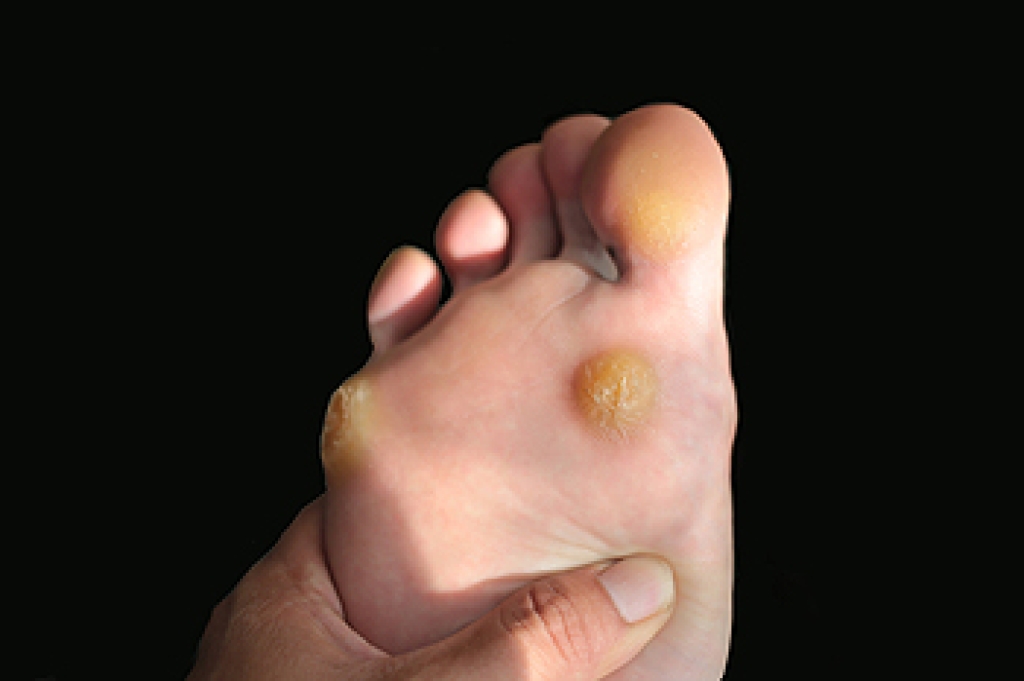
A corn will typically develop as a result of excessive pressure. They can emerge between the toes, or on the bottom of the feet. Corns are described as a small area of skin that has become hardened, and can often be painful and uncomfortable. This ailment may be caused by wearing shoes that do not fit correctly, or from medical conditions that can include hammertoes or bunions. Hard corns typically develop on the top of the outer three toes, and soft corns will form between the toes. Walking may also become difficult when a corn has formed. Some patients have found relief by wearing small pads over their corns, which may help to ease the friction. In addition, covering the corn and wearing shoes that leave ample room for the toes to move freely in, can also be helpful in alleviating some of the pain. If you are afflicted with a corn, it is strongly suggested that you consult with a podiatrist who can recommend proper corn removal options for you.

If you have any concerns regarding your feet and ankles, contact Leonora Fihman, DPM of California. Our doctor will treat your foot and ankle needs.

Corns: What Are They? and How Do You Get Rid of Them?
Corns can be described as areas of the skin that have thickened to the point of becoming painful or irritating. They are often layers and layers of the skin that have become dry and rough, and are normally smaller than calluses.

Ways to Prevent Corns
There are many ways to get rid of painful corns such as wearing:

  • Well-fitting socks
  • Comfortable shoes that are not tight around your foot
  • Shoes that offer support

Treating Corns
Treatment of corns involves removing the dead skin that has built up in the specific area of the foot. Consult with Our doctor to determine the best treatment option for your case of corns.

If you have any questions, please feel free to contact our office located in Encino, CA . We offer the newest diagnostic and treatment technologies for all your foot care needs.
Read more about Corns and Calluses

The Definition of a Bunion

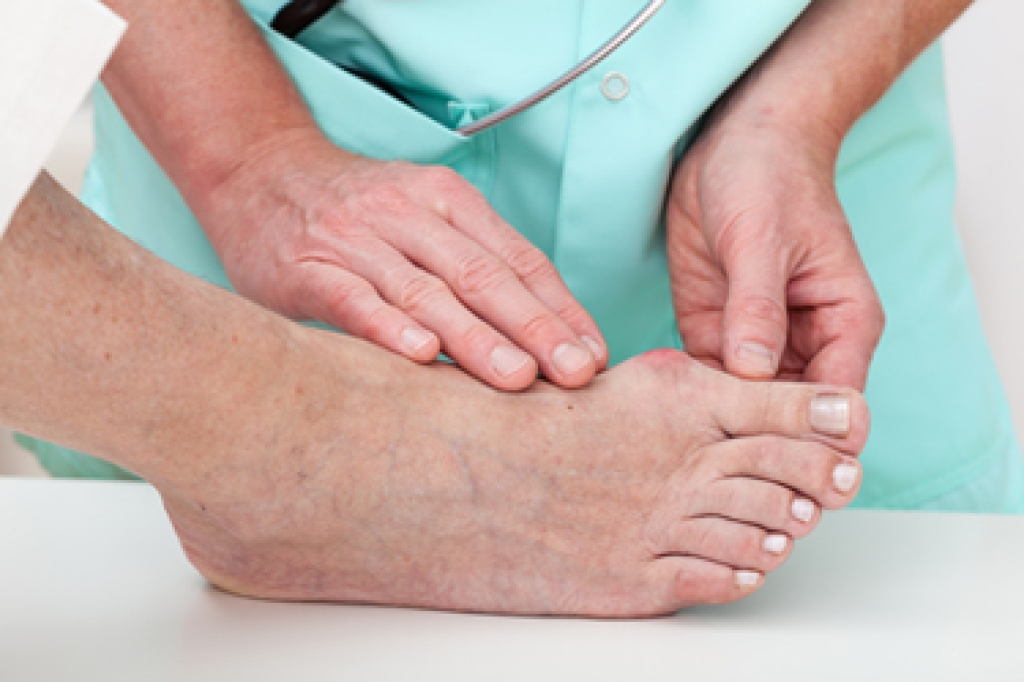
The medical term for a condition that is referred to as a bunion, is known as a hallux valgus deformity. It is defined as a bony protrusion that forms on the side of the big toe, and may affect the positioning toes next to it. It may occur from genetic factors, or from wearing shoes that do not have adequate room for the toes to move freely in. This condition is also considered to be a form of arthritis. It may lead to bursitis, which is an inflammation that develops over the affected joint. If you are in the beginning stages of developing a bunion, it is advised that you are under the care of a podiatrist who can offer a correct diagnosis and begin the proper treatment.

If you are suffering from bunions, contact Leonora Fihman, DPM of California. Our doctor can provide the care you need to keep you pain-free and on your feet.

What Is a Bunion?

A bunion is formed of swollen tissue or an enlargement of boney growth, usually located at the base joint of the toe that connects to the foot. The swelling occurs due to the bones in the big toe shifting inward, which impacts the other toes of the foot. This causes the area around the base of the big toe to become inflamed and painful.

Why Do Bunions Form?

Genetics – Susceptibility to bunions are often hereditary

Stress on the feet – Poorly fitted and uncomfortable footwear that places stress on feet, such as heels, can worsen existing bunions

How Are Bunions Diagnosed?

Podiatrists often perform two tests – blood tests and x-rays – when trying to diagnose bunions, especially in the early stages of development. Blood tests help determine if the foot pain is being caused by something else, such as arthritis, while x-rays provide a clear picture of your bone structure to your provider.

How Are Bunions Treated?

  • Refrain from wearing heels or similar shoes that cause discomfort
  • Select wider shoes that can provide more comfort and reduce pain
  • Anti-inflammatory and pain management drugs
  • Orthotics or foot inserts
  • Surgery

If you have any questions, please feel free to contact our office located in Encino, CA . We offer the newest diagnostic and treatment technologies for all your foot care needs.

Read more about What Are Bunions?

Connect With Us

scroll to top