
Suffering from this type of pain? You may have the foot condition known as Morton's neuroma. Morton's neuroma may develop as a result of ill-fitting footwear and existing foot deformities. We can help.
Suffering from this type of pain? You may have the foot condition known as Morton's neuroma. Morton's neuroma may develop as a result of ill-fitting footwear and existing foot deformities. We can help.

High heels can change the way the feet support the body and may lead to a variety of painful foot problems. By shifting body weight toward the front of the foot, high heels place extra pressure on the toes and the ball of the foot. This added stress can contribute to conditions such as bunions, hammertoes, and neuromas. Some people also experience heel pain or ankle discomfort after wearing high heels regularly. Symptoms may include aching, burning, or swelling that makes walking uncomfortable. Because these changes often develop gradually, many people do not recognize the effects until pain begins to interfere with everyday activities. A professional evaluation can help determine whether footwear is contributing to foot pain and identify the most appropriate treatment.
Frequent use of high heels may also affect balance, posture, and normal walking mechanics. As the foot remains in a raised position, the muscles and tendons can become tight and place additional stress on nearby joints. This altered movement may increase strain on the ankles, knees, and hips. Changes in weight distribution can also reduce stability and make certain activities less comfortable. A thorough podiatry examination helps identify how footwear is affecting foot structure and overall function. Early diagnosis allows treatment to begin before discomfort becomes more severe or long-term foot problems develop.
A podiatrist specializes in diagnosing and treating foot conditions related to high heels and other footwear concerns. Professional care focuses on relieving pain, improving foot function, and addressing changes in foot alignment caused by prolonged pressure. Treatment is tailored to each patient's condition and activity level while supporting long-term foot health. Regular podiatry care may also help identify developing problems before they worsen or affect mobility. If foot pain, toe deformities, or difficulty walking related to wearing high heels is affecting your daily activities, it is suggested that you consult a podiatrist for an evaluation and appropriate treatment options.
High heels have a history of causing foot and ankle problems. If you have any concerns about your feet or ankles, contact Leonora Fihman, DPM from California. Our doctor can provide the care you need to keep you pain-free and on your feet.
Effects of High Heels on the Feet
High heels are popular shoes among women because of their many styles and societal appeal. Despite this, high heels can still cause many health problems if worn too frequently.
Which Parts of My Body Will Be Affected by High Heels?
What Kinds of Foot Problems Can Develop from Wearing High Heels?
How Can I Still Wear High Heels and Maintain Foot Health?
If you want to wear high heeled shoes, make sure that you are not wearing them every day, as this will help prevent long term physical problems. Try wearing thicker heels as opposed to stilettos to distribute weight more evenly across the feet. Always make sure you are wearing the proper shoes for the right occasion, such as sneakers for exercising. If you walk to work, try carrying your heels with you and changing into them once you arrive at work. Adding inserts to your heels can help cushion your feet and absorb shock. Full foot inserts or metatarsal pads are available.
If you have any questions, please feel free to contact our office located in Encino, CA . We offer the newest diagnostic and treatment technologies for all your foot care needs.
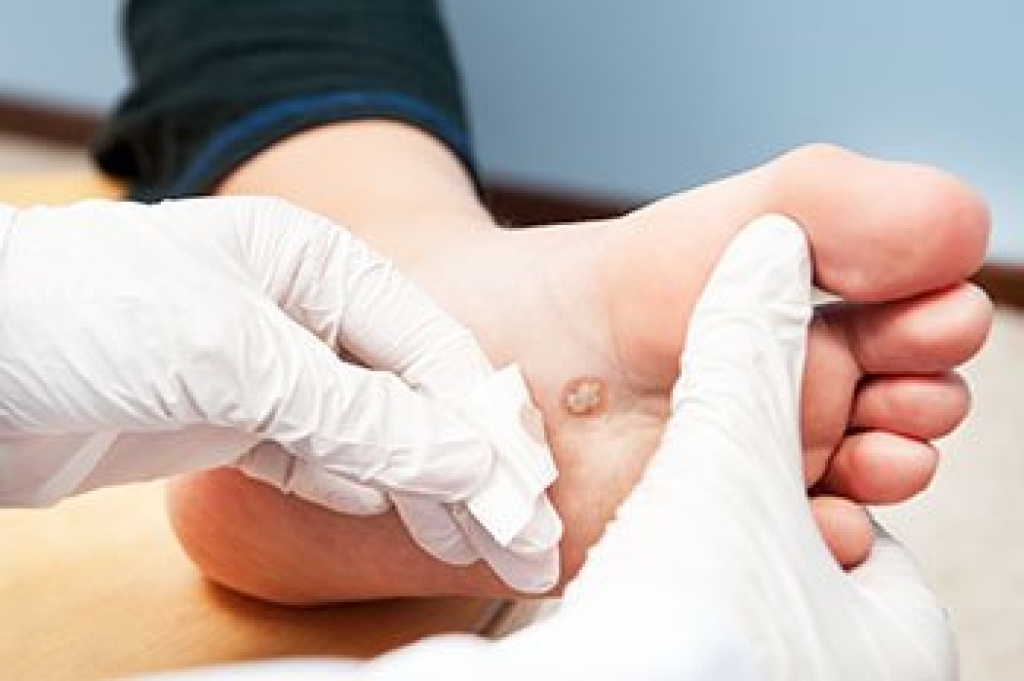
Plantar warts develop on the bottom of the feet after infection with certain types of the human papillomavirus, commonly known as HPV. The virus enters through tiny openings in the skin and causes the outer layer to thicken. Because these warts develop on weight-bearing areas, they are pushed inward by the pressure of standing and walking. This makes them painful during everyday activities. Common symptoms include a rough patch of skin, tenderness, and pain when putting weight on the foot. Some plantar warts also contain tiny black dots, which are small clotted blood vessels. Since other foot conditions can look similar, a professional evaluation is important to confirm the diagnosis and determine treatment.
Plantar warts may appear as a single lesion or develop in small groups on the sole of the foot. As discomfort increases, many people begin to change the way they walk to avoid pressure on the affected area. This altered movement can place stress on the ankle, knee, or hip. Although plantar warts are usually not dangerous, they may continue to grow or become painful if left untreated. A thorough podiatry examination helps determine the size, location, and depth of the wart while ruling out other causes of foot pain. Early diagnosis allows treatment to begin before the condition interferes with normal mobility or daily activities.
A podiatrist specializes in diagnosing and treating plantar warts while evaluating the overall health of the affected foot. Professional treatment focuses on removing the wart, relieving discomfort, and reducing the likelihood of recurrence. Care is tailored to each patient's condition and may be adjusted based on the size and number of warts present. Early podiatry care may also help prevent ongoing pain and improve comfort while walking. If you have a painful growth on the bottom of your foot or believe you have a plantar wart, it is suggested that you consult a podiatrist for an evaluation and appropriate treatment options.
Plantar warts can be very uncomfortable. If you need your feet checked, contact Leonora Fihman, DPM from California. Our doctor will assist you with all of your foot and ankle needs.
About Plantar Warts
Plantar warts are the result of HPV, or human papillomavirus, getting into open wounds on the feet. They are mostly found on the heels or balls of the feet.
While plantar warts are generally harmless, those experiencing excessive pain or those suffering from diabetes or a compromised immune system require immediate medical care. Plantar warts are easily diagnosed, usually through scraping off a bit of rough skin or by getting a biopsy.
Symptoms
Treatment
To help prevent developing plantar warts, avoid walking barefoot over abrasive surfaces that can cause cuts or wounds for HPV to get into. Avoiding direct contact with other warts, as well as not picking or rubbing existing warts, can help prevent the further spread of plantar warts. However, if you think you have developed plantar warts, speak to your podiatrist. He or she can diagnose the warts on your feet and recommend the appropriate treatment options.
If you have any questions, please feel free to contact our office located in Encino, CA . We offer the newest diagnostic and treatment technologies for all your foot care needs.
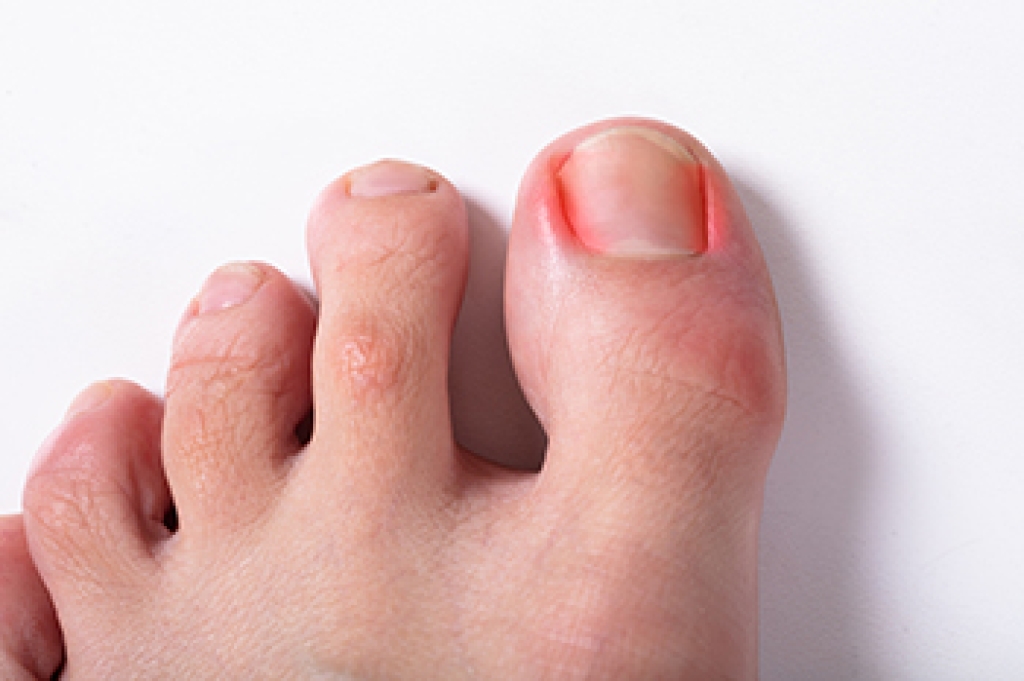
An ingrown toenail occurs when the edge of the toenail grows into the surrounding skin. This usually affects the big toe but can occur on any toe. As the nail presses into the skin, it can cause irritation, inflammation, and discomfort. Without proper care, an ingrown toenail may become more painful and increase the risk of infection. Understanding the causes and symptoms can help with early treatment and prevention.
Symptoms of an ingrown toenail include redness, swelling, and pain along the side of the nail. The affected area may feel sore when pressure is applied, especially when wearing shoes. In more advanced cases, the skin around the nail may become warm, irritated, or produce drainage if an infection develops. Some individuals may notice increased sensitivity while walking or standing. Recognizing these warning signs early can help prevent the condition from becoming more severe.
Several causes can contribute to the development of ingrown toenails. Wearing ill-fitting shoes that place pressure on the toes can force the nail into the surrounding skin. Improper nail trimming is another common cause, especially when toenails are cut too short or rounded at the edges. Other contributing factors include toe injuries, naturally curved toenails, and repeated pressure from activities that stress the feet. These factors can change how the nail grows and increase irritation.
Risk factors for ingrown toenails include wearing tight footwear, participating in activities that involve repeated pressure on the toes, and having a family history of curved toenails. Individuals with diabetes or circulation concerns may face a higher risk of complications if an ingrown toenail becomes infected. Proper nail care, comfortable shoes, and regular foot checks can help reduce the chance of developing this condition. If you have signs of an ingrown toenail, it is suggested that you consult a podiatrist for effective relief and treatment solutions, which may include minor surgery.
Ingrown toenails may initially present themselves as a minor discomfort, but they may progress into an infection in the skin without proper treatment. For more information about ingrown toenails, contact Leonora Fihman, DPM of California. Our doctor can provide the care you need to keep you pain-free and on your feet.
Ingrown Toenails
Ingrown toenails are caused when the corner or side of a toenail grows into the soft flesh surrounding it. They often result in redness, swelling, pain, and in some cases, infection. This condition typically affects the big toe and may recur if it is not treated properly.
Causes
You are more likely to develop an ingrown toenail if you are obese, have diabetes, arthritis, or have any fungal infection in your nails. Additionally, people who have foot or toe deformities are at a higher risk of developing an ingrown toenail.
Symptoms
Some symptoms of ingrown toenails are redness, swelling, and pain. In rare cases, there may be a yellowish drainage coming from the nail.
Treatment
Ignoring an ingrown toenail can have serious complications. Infections of the nail border can progress to a deeper soft-tissue infection, which can then turn into a bone infection. You should always speak with your podiatrist if you suspect you have an ingrown toenail, especially if you have diabetes or poor circulation.
If you have any questions, please feel free to contact our office located in Encino, CA . We offer the newest diagnostic and treatment technologies for all your foot care needs.
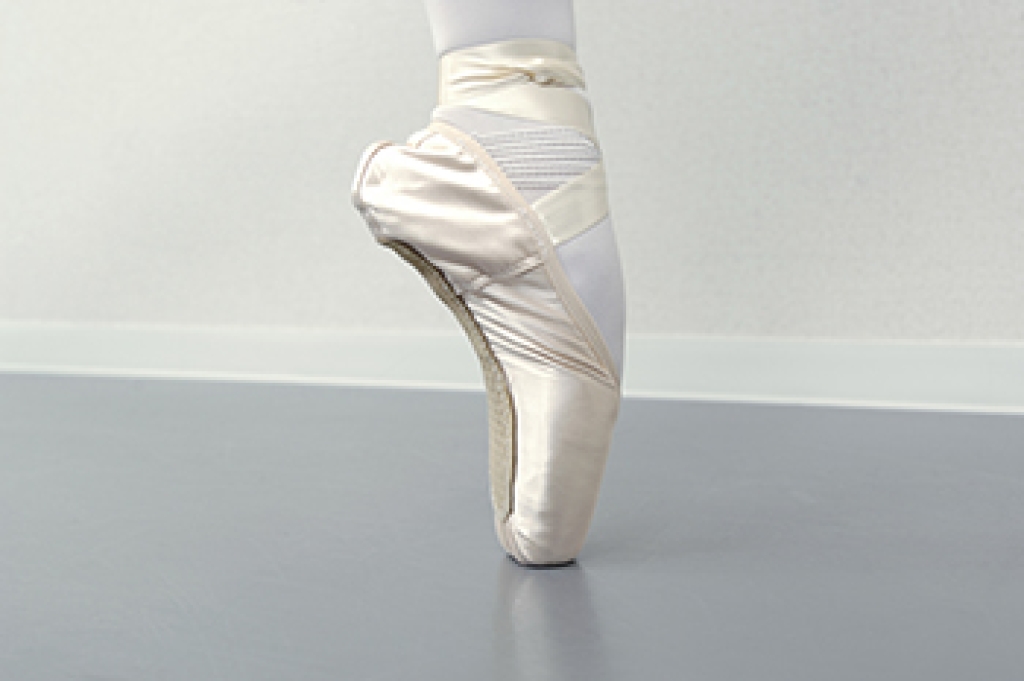
Ballet dancing places unique demands on the feet, requiring controlled movements, pointed positions, and repeated impact. Foot injuries in ballet often occur because dancers put significant pressure on their toes, arches, and ankles during training and performances. The definition of ballet-related foot injuries includes any damage or irritation affecting the bones, joints, or soft tissues of the foot caused by dance activity. Individual foot structure can influence how a dancer responds to these demands.
Common symptoms include soreness, swelling, and pain during or after practice. Dancers may experience problems such as ingrown toenails, tendon inflammation, and stress injuries. The way the toes are positioned during ballet can place pressure on the nails, causing them to grow into the surrounding skin. Toe length also affects how weight is distributed when shaping the foot and performing movements. Some dancers may experience discomfort because their foot shape does not match the demands of specific techniques or footwear.
Risk factors include repetitive training, inadequate rest, and improper shoe fit. The natural structure of the foot, including toe length and heel shape, can influence injury development. A heel that does not fit securely may allow the foot to slide inside the shoe, increasing friction and pressure. Dancers with certain foot shapes may need specialized support to maintain proper alignment. Weak foot muscles, limited flexibility, and sudden increases in training intensity can also contribute to injuries.
Protecting ballet feet involves choosing properly fitted shoes, strengthening the muscles of the feet, and addressing pain early. Dancers should avoid ignoring symptoms, as minor problems can become more serious over time. A podiatrist can evaluate foot structure, identify injury risks, and recommend appropriate treatment options. If you have developed foot injuries from ballet, it is suggested that you seek care from a podiatrist for an accurate diagnosis and appropriate treatment.
If you have any concerns about your feet, contact Leonora Fihman, DPM from California. Our doctor can provide the care you need to keep you pain-free and on your feet.
Biomechanics in Podiatry
Podiatric biomechanics is a particular sector of specialty podiatry with licensed practitioners who are trained to diagnose and treat conditions affecting the foot, ankle and lower leg. Biomechanics deals with the forces that act against the body, causing an interference with the biological structures. It focuses on the movement of the ankle, the foot and the forces that interact with them.
A History of Biomechanics
Modern technological improvements are based on past theories and therapeutic processes that provide a better understanding of podiatric concepts for biomechanics. Computers can provide accurate information about the forces and patterns of the feet and lower legs.
Understanding biomechanics of the feet can help improve and eliminate pain, stopping further stress to the foot.
If you have any questions please feel free to contact our office located in Encino, CA . We offer the newest diagnostic and treatment technologies for all your foot and ankle needs.
Connect With Us
