
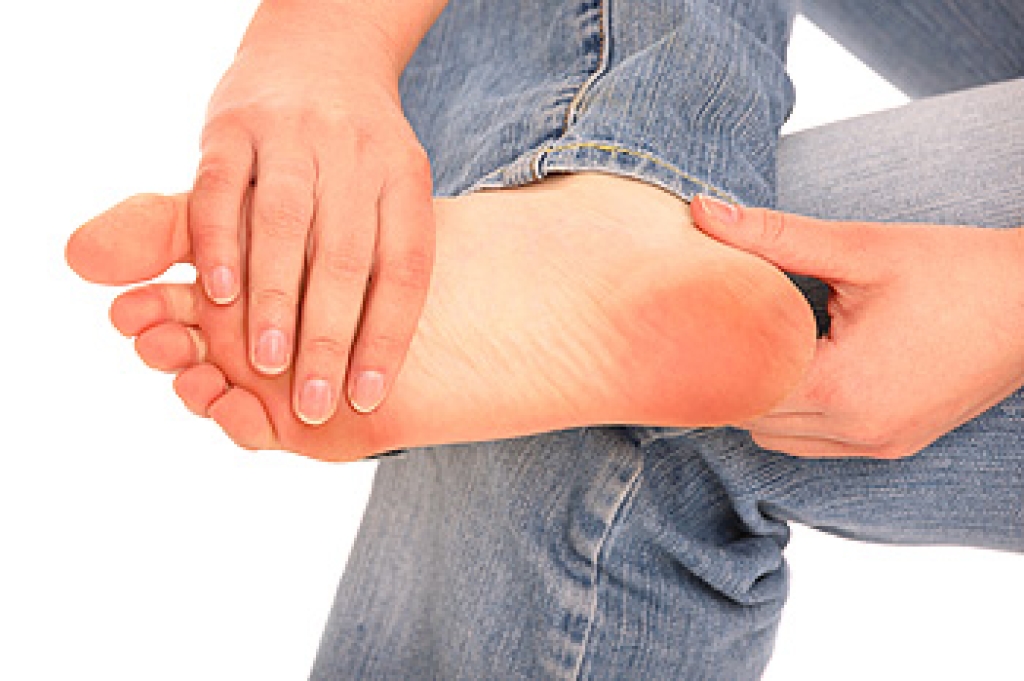
 Foot pain is a broad term that covers many different types of pain. The foot is a complex part of the body that is comprised of many bones, ligaments and muscles; therefore, pain can be felt in various parts of the feet. The degree of pain or discomfort felt can highly differ. Pain can present itself as throbbing, aching, stabbing, or mild tenderness. Understanding and learning about your foot pain is key in figuring out what the underlying issue is. Some of the most common foot conditions that cause pain are plantar fasciitis, tarsal tunnel syndrome, metatarsalgia, Morton's neuroma, and Achilles tendinitis. All of these conditions cause pain in different locations and result in different types of pain. If you are experiencing any foot pain, speak with a podiatrist who can properly diagnose and treat the ailment.
Foot Pain
Foot pain can be extremely painful and debilitating. If you have a foot pain, consult with Leonora Fihman, DPM from California. Our doctor will assess your condition and provide you with quality foot and ankle treatment.
Causes
Foot pain is a very broad condition that could be caused by one or more ailments. The most common include:
Diagnosis
To figure out the cause of foot pain, podiatrists utilize several different methods. This can range from simple visual inspections and sensation tests to X-rays and MRI scans. Prior medical history, family medical history, and any recent physical traumatic events will all be taken into consideration for a proper diagnosis.
Treatment
Treatment depends upon the cause of the foot pain. Whether it is resting, staying off the foot, or having surgery; podiatrists have a number of treatment options available for foot pain.
If you have any questions, please feel free to contact our office located in Encino, CA . We offer the newest diagnostic and treatment technologies for all your foot care needs.
Contracting athlete’s foot can happen to anyone, but there are some risk factors that increase the chance of contracting this inconvenient condition. Public places like locker rooms, showers, and swimming pools are breeding grounds for bacteria, so exposing your bare feet to surfaces in these environments could easily lead to athlete’s foot. Sharing footwear or towels with someone who has been infected can spread the infection, so it’s best to avoid sharing these items. Wet or sweaty feet are also at a higher risk than feet that are kept dry and clean, because bacteria thrive in moist environments. Minor skin or nail injuries, especially in tight closed-toe shoes are also a risk factor. If you think you might have athlete’s foot or would like additional information on how to prevent it, then it is suggested you speak with a podiatrist.
Athlete’s foot is an inconvenient condition that can be easily reduced with the proper treatment. If you have any concerns about your feet and ankles, contact Leonora Fihman, DPM from California. Our doctor will treat your foot and ankle needs.
Athlete’s Foot: The Sole Story
Athlete's foot, also known as tinea pedis, can be an extremely contagious foot infection. It is commonly contracted in public changing areas and bathrooms, dormitory style living quarters, around locker rooms and public swimming pools, or anywhere your feet often come into contact with other people.
Solutions to Combat Athlete’s Foot
Athlete’s foot can cause many irritating symptoms such as dry and flaking skin, itching, and redness. Some more severe symptoms can include bleeding and cracked skin, intense itching and burning, and even pain when walking. In the worst cases, Athlete’s foot can cause blistering as well. Speak to your podiatrist for a better understanding of the different causes of Athlete’s foot, as well as help in determining which treatment options are best for you.
If you have any questions please feel free to contact our office located in Encino, CA . We offer the newest diagnostic and treatment technologies for all your foot and ankle needs.

Your feet are covered most of the day. If you're diabetic, periodic screening is important for good health. Numbness is often a sign of diabetic foot and can mask a sore or wound.
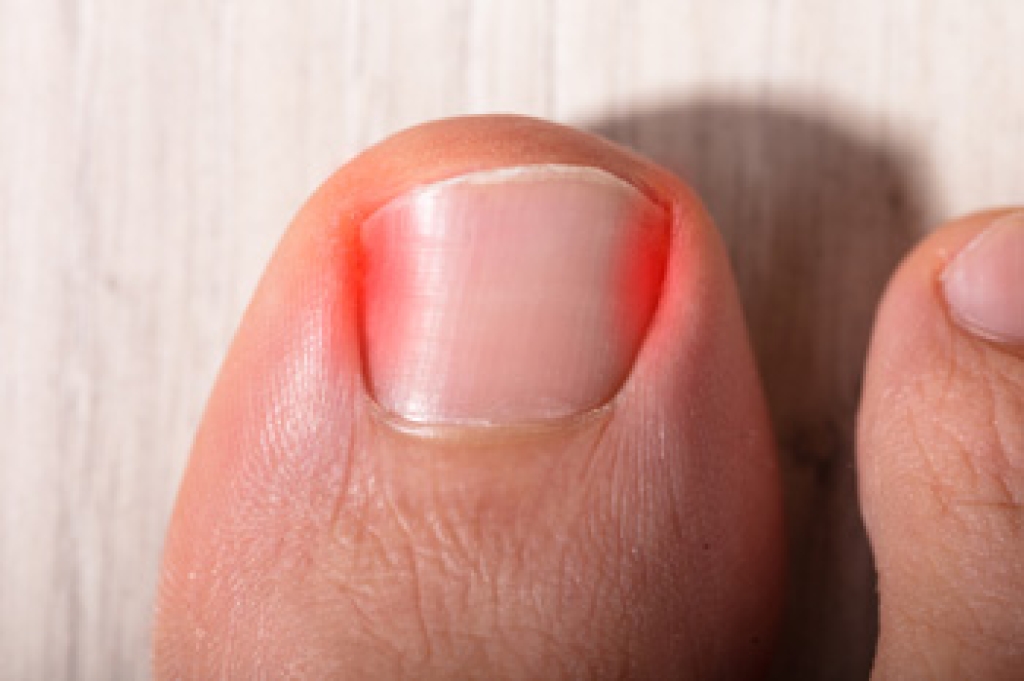 Patients who have ingrown toenails are often aware of the pain they may cause. It occurs when the side of the nail grows into the skin surrounding the big toe, and may often look red and swollen. Additionally, some people may notice a discharge coming from the affected area, and may have chills or feel warm. There are measures that can be implemented, which may prevent ingrown toenails from developing. These may include trimming the toenails to the correct length and width, and wearing shoes that fit correctly with adequate room for the toes to move freely in. Mild relief may be found if the toe is soaked in warm water several times per day, in addition to wearing open-toe sandals. If you are a diabetic patient, or if your ingrown toenail causes extreme pain, it is suggested to seek the counsel of a podiatrist who can properly treat this condition.
Ingrown toenails can become painful if they are not treated properly. For more information about ingrown toenails, contact Leonora Fihman, DPM of California. Our doctor can provide the care you need to keep you pain-free and on your feet.
Ingrown Toenails
Ingrown toenails occur when a toenail grows sideways into the bed of the nail, causing pain, swelling, and possibly infection.
Causes
Prevention
Wearing proper fitting shoes and using proper cutting techniques will also help decrease your risk of developing ingrown toenails.
Treatment
Ingrown toenails are a very treatable foot condition. In minor cases, soaking the affected area in salt or antibacterial soaps will not only help with the ingrown nail itself, but also help prevent any infections from occurring. In more severe cases, surgery is an option. In either case, speaking to your podiatrist about this condition will help you get a better understanding of specific treatment options that are right for you.
If you have any questions, please feel free to contact our office located in Encino, CA . We offer the newest diagnostic and treatment technologies for all your foot care needs.
Connect With Us
