Items filtered by date: April 2026
Safe Treatment for Blisters
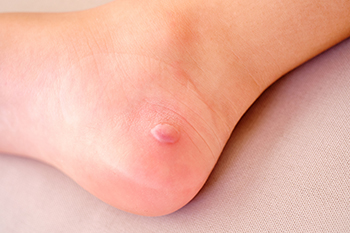
Blisters are fluid-filled pockets that form in the outer layer of skin, often caused by repeated friction, heat, or pressure on the feet. These areas can become painful, especially when walking, and may lead to infection if not managed properly. Safe treatment focuses on protecting the skin and preventing bacteria from entering the area. A podiatrist can evaluate the blister, relieve pressure, and use sterile techniques to drain it. Sterile care means using clean, medical-grade tools and methods to reduce the risk of infection. In cases linked to underlying skin conditions or poor foot alignment, a podiatrist can address the cause of blisters to prevent recurrence. Proper diagnosis also helps rule out more serious concerns, including infections or skin disorders. If you have painful or infected blisters on your feet, it is suggested that you make an appointment with a podiatrist for safe and sterile treatment.
Blisters are prone to making everyday activities extremely uncomfortable. If your feet are hurting, contact Leonora Fihman, DPM of California. Our doctor can provide the care you need to keep you pain-free and on your feet.
Foot Blisters
Foot blisters develop as a result of constantly wearing tight or ill-fitting footwear. This happens due to the constant rubbing from the shoe, which can often lead to pain.
What Are Foot Blisters?
A foot blister is a small fluid-filled pocket that forms on the upper-most layer of the skin. Blisters are filled with clear fluid and can lead to blood drainage or pus if the area becomes infected.
How Do Blisters Form?
Blisters on the feet are often the result of constant friction of skin and material, usually by shoe rubbing. Walking in sandals, boots, or shoes that don’t fit properly for long periods of time can result in a blister. Having consistent foot moisture and humidity can easily lead to blister formation.
Prevention & Treatment
It is important to properly care for the affected area in order to prevent infection and ease the pain. Do not lance the blister and use a Band-Aid to provide pain relief. Also, be sure to keep your feet dry and wear proper fitting shoes. If you see blood or pus in a blister, seek assistance from a podiatrist.
If you have any questions, please feel free to contact our office located in Encino, CA . We offer the newest diagnostic and treatment technologies for all your foot care needs.
Gout and Foot Pain
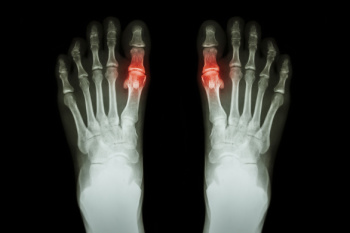
Gout is a form of inflammatory arthritis caused by high levels of uric acid in the blood, which leads to the formation of sharp crystals in the joints. Gout commonly affects the big toe and foot, causing intense pain, swelling, redness, and warmth. Symptoms often appear suddenly and can make walking difficult. Causes include the body producing too much uric acid or not removing enough through normal processes. Risk factors include genetic predisposition, excess body weight, high blood pressure, and diabetes. Diet and lifestyle choices may also contribute to flare-ups. A podiatrist can diagnose gout, recommend treatments to reduce pain and inflammation, and provide guidance on managing symptoms and preventing future attacks. Gout can be extremely painful and may cause difficulty in completing daily activities. If you have sudden foot pain or swelling, it is suggested that you promptly consult a podiatrist who can help you to manage this painful condition.
Gout is a painful condition that can be treated. If you are seeking treatment, contact Leonora Fihman, DPM from California. Our doctor will treat your foot and ankle needs.
What Is Gout?
Gout is a form of arthritis that is characterized by sudden, severe attacks of pain, redness, and tenderness in the joints. The condition usually affects the joint at the base of the big toe. A gout attack can occur at any random time, such as the middle of the night while you are asleep.
Symptoms
- Intense Joint Pain - Usually around the large joint of your big toe, and it most severe within the first four to twelve hours
- Lingering Discomfort - Joint discomfort may last from a few days to a few weeks
- Inflammation and Redness -Affected joints may become swollen, tender, warm and red
- Limited Range of Motion - May experience a decrease in joint mobility
Risk Factors
- Genetics - If family members have gout, you’re more likely to have it
- Medications - Diuretic medications can raise uric acid levels
- Gender/Age - Gout is more common in men until the age of 60. It is believed that estrogen protects women until that point
- Diet - Eating red meat and shellfish increases your risk
- Alcohol - Having more than two alcoholic drinks per day increases your risk
- Obesity - Obese people are at a higher risk for gout
Prior to visiting your podiatrist to receive treatment for gout, there are a few things you should do beforehand. If you have gout you should write down your symptoms--including when they started and how often you experience them, important medical information you may have, and any questions you may have. Writing down these three things will help your podiatrist in assessing your specific situation so that he or she may provide the best route of treatment for you.
If you have any questions, please feel free to contact our office located in Encino, CA . We offer the newest diagnostic and treatment technologies for all your foot care needs.
