
Achilles Tendon Injuries and When to See a Podiatrist

Achilles tendon injuries can make every step painful because this strong, fibrous band connects the calf muscles to the heel bone. It provides the strength and flexibility needed for running, jumping, and walking. The tendon handles significant stress during daily activities and sports, making it vulnerable to injury. When the tendon becomes inflamed, swollen, and irritated, the condition is called tendonitis. Repeated strain, tight calf muscles, or a sudden increase in activity can all contribute to tendon damage. A bone spur where the tendon attaches to the heel can also increase irritation. 

Achilles tendon injuries include inflammation, partial tears, and complete ruptures. Inflammation, or tendonitis, causes pain along the back of the leg near the heel. Other symptoms are swelling, thickening of the tendon, or discomfort that becomes worse with activity. There are two forms of tendonitis. One affects the middle portion of the tendon, while the other develops where the tendon attaches to the heel bone. A rupture is more serious and can produce a sudden sharp pain along with a popping sound in the back of the ankle or calf. This type of injury requires immediate medical attention because the tendon can no longer function normally.

A podiatrist performs a detailed examination to determine the exact cause of Achilles tendon pain. The evaluation includes checking the tendon for tenderness, swelling, and movement of the ankle. Imaging tests can confirm the extent of the injury and identify bone spurs or tendon tears. Treatment depends on the diagnosis and includes protecting the tendon and reducing stress on the injured area. Custom orthotics or surgery may be needed for severe ruptures or damage that cannot heal properly. Early diagnosis helps reduce complications and supports a safer return to normal activities. If you have injured your Achilles tendon, it is suggested that you schedule an appointment with a podiatrist for diagnosis and appropriate treatment.

Achilles tendon injuries need immediate attention to avoid future complications. If you have any concerns, contact Leonora Fihman, DPM of California. Our doctor can provide the care you need to keep you pain-free and on your feet.

What Is the Achilles Tendon?

The Achilles tendon is a tendon that connects the lower leg muscles and calf to the heel of the foot. It is the strongest tendon in the human body and is essential for making movement possible. Because this tendon is such an integral part of the body, any injuries to it can create immense difficulties and should immediately be presented to a doctor.

What Are the Symptoms of an Achilles Tendon Injury?

There are various types of injuries that can affect the Achilles tendon. The two most common injuries are Achilles tendinitis and ruptures of the tendon.

Achilles Tendinitis Symptoms

  • Inflammation
  • Dull to severe pain
  • Increased blood flow to the tendon
  • Thickening of the tendon

Rupture Symptoms

  • Extreme pain and swelling in the foot
  • Total immobility

Treatment and Prevention

Achilles tendon injuries are diagnosed by a thorough physical evaluation, which can include an MRI. Treatment involves rest, physical therapy, and in some cases, surgery. However, various preventative measures can be taken to avoid these injuries, such as:

  • Thorough stretching of the tendon before and after exercise
  • Strengthening exercises like calf raises, squats, leg curls, leg extensions, leg raises, lunges, and leg presses

If you have any questions please feel free to contact our office located in Encino, CA . We offer the newest diagnostic tools and technology to treat your foot and ankle needs.

Read more about The Causes, Types, and Treatments of Achilles Tendon Injuries

Chronic Ankle Instability After Sprains and Why It Keeps Returning

Chronic ankle instability is a condition that develops when the ankle repeatedly gives way due to weakened ligaments following an ankle sprain. It is defined as a loss of stability in the ankle joint, often caused by incomplete healing or repeated injury. When a sprain stretches or tears the supporting ligaments, the joint may not regain full strength, leaving it vulnerable to further damage. Over time, this instability can affect balance, coordination, and overall foot function.

Common symptoms of ankle instability include a feeling of the ankle giving out, especially on uneven surfaces or during physical activity. Patients may experience persistent swelling, discomfort, and tenderness around the joint. Recurrent ankle sprains are a key sign, as unstable ankle joints can easily be twisted again. Some individuals also report weakness, reduced range of motion, and difficulty maintaining balance during movement.


Several causes and risk factors contribute to the development of chronic ankle instability. A previous ankle sprain is the most significant factor, particularly if it was not properly treated or rehabilitated. Ligament laxity, muscle weakness, and poor proprioception can also increase the risk. Athletes and individuals who participate in high impact activities are more prone to repeated injuries. Wearing unsupportive footwear and walking on uneven surfaces may further increase the likelihood of instability.


Proper management is essential to restore strength and prevent future sprains. Treatment may include targeted exercises to improve balance and stability, supportive bracing, and custom orthotics to enhance alignment. Early care can reduce the risk of long term joint damage. If you have sprained your ankle, it is suggested that you consult a podiatrist who can accurately diagnose and treat this condition, which may include appropriate stretches to prevent recurring ankle sprains.

Although ankle sprains are common, they aren’t always minor injuries. If you need your ankle injury looked at, contact Leonora Fihman, DPM from California. Our doctor can provide the care you need to keep you pain-free and on your feet.

How Does an Ankle Sprain Occur?

Ankle sprains are the result of a tear in the ligaments within the ankle. These injuries may happen when you make a rapid shifting movement while your foot is planted. A less common way to sprain your ankle is when your ankle rolls inward while your foot turns outward.

What Are the Symptoms?

  • Pain at the sight of the tear
  • Bruising/Swelling
  • Ankle area is tender to touch
  • In severe cases, may hear/feel something tear
  • Skin discoloration

Preventing a Sprain

  • Wearing appropriate shoes for the occasion
  • Stretching before exercises and sports
  • Knowing your limits

Treatment of a Sprain

In many cases, the RICE method (Rest, Ice, Compression, and Elevate) is used to treat ankle sprains. However, you should see a podiatrist to see which treatment option would work best with your injury. In severe cases, surgery may be required.

It is important to ask your doctor about rehab options after you receive treatment for your injury. Stretching, strength training, and balance exercises may help the ankle heal while also preventing further injury.

If you have any questions, please feel free to contact our office located in Encino, CA . We offer the newest diagnostic and treatment technologies for all your foot care needs.

Read more about Ankle Sprains

Managing Poor Circulation in the Feet

Poor circulation in the feet occurs when blood does not flow as well as it should to the lower legs and feet. Healthy blood flow is important because it delivers oxygen and nutrients that help keep tissues healthy. When circulation is reduced, the feet may not function as well or heal as quickly after an injury. Common symptoms include cold feet, numbness, and changes in skin color. Some people also notice cramping while walking or wounds that heal slowly. Poor circulation may be linked to conditions like peripheral artery disease, diabetes, or other problems that affect the blood vessels. Because these symptoms can signal an underlying medical condition, they should not be ignored. Early evaluation is important to help identify the cause and reduce the risk of more serious complications.


A podiatrist can examine your feet and evaluate how poor circulation may be affecting your overall foot health. During the examination, they assess skin condition, circulation, and sensation while looking for signs of tissue damage or delayed healing. They may also identify problems like ulcers or infections that can develop when blood flow is reduced. If an underlying circulation problem is suspected, a podiatrist may work closely with your primary healthcare provider or another specialist to support your care. Treatment focuses on protecting the feet, managing complications, and helping preserve healthy tissue whenever possible.


Professional foot care is especially important for people with poor circulation because even minor foot problems may become more serious over time. Regular podiatry visits allow changes in the feet to be identified before they lead to more severe complications. Professional care can also help improve comfort, protect mobility, and support long-term foot health. Whether symptoms develop gradually or appear suddenly, early evaluation can make an important difference. If you have cold feet, numbness, or slow-healing wounds, it is suggested that you consult a podiatrist for an evaluation.

While poor circulation itself isn’t a condition; it is a symptom of another underlying health condition you may have. If you have any concerns with poor circulation in your feet contact Leonora Fihman, DPM of California. Our doctor will treat your foot and ankle needs.

Poor Circulation in the Feet

Peripheral artery disease (PAD) can potentially lead to poor circulation in the lower extremities. PAD is a condition that causes the blood vessels and arteries to narrow. In a linked condition called atherosclerosis, the arteries stiffen up due to a buildup of plaque in the arteries and blood vessels. These two conditions can cause a decrease in the amount of blood that flows to your extremities, therefore resulting in pain.

Symptoms

Some of the most common symptoms of poor circulation are:

  • Numbness
  • Tingling
  • Throbbing or stinging pain in limbs
  • Pain
  • Muscle Cramps

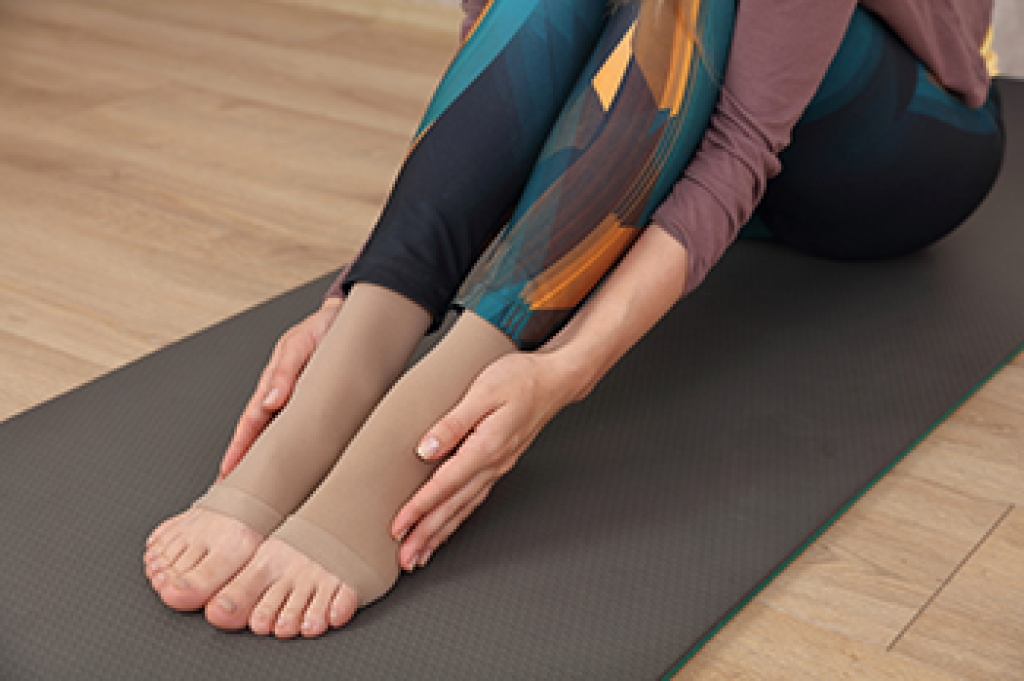
Treatment for poor circulation often depends on the underlying condition that causes it. Methods for treatment may include insulin for diabetes, special exercise programs, surgery for varicose veins, or compression socks for swollen legs.

As always, see a podiatrist as he or she will assist in finding a regimen that suits you. A podiatrist can also prescribe you any needed medication. 

If you have any questions, please feel free to contact our office located in Encino, CA . We offer the newest diagnostic and treatment technologies for all your foot care needs.

Read more about Causes Symptoms and Treatment for Poor Circulation in the Feet

Foot Pain Caused by Corns

Corns on the feet are thick, hardened areas of skin that develop in response to repeated pressure or friction. They often form on the tops or sides of the toes, between the toes, or on weight-bearing areas of the feet. Corns are the body’s way of protecting the skin, but they can become painful when pressure continues. Common causes include tight shoes, toe deformities, abnormal foot mechanics, or areas where bones rub against footwear. Symptoms may include foot pain, tenderness, a raised patch of hard skin, or discomfort when walking.


Although corns may seem like a simple skin problem, they can interfere with daily activities and overall foot health. Painful corns can make it difficult to wear shoes comfortably, stand for long periods of time, or walk normally. Some corns are hard and dry, while others may develop between the toes, where the skin stays softer. People with diabetes, poor circulation, or nerve problems should be especially cautious because even small areas of pressure can lead to more serious complications. Since corns can look similar to other foot conditions, an accurate diagnosis is important before treatment begins.


A podiatrist is a foot and ankle specialist who can diagnose corns on the feet and identify what is causing the pressure. During an evaluation, a podiatrist may examine the skin, assess foot structure, and check how the foot moves during walking. Treatment may include professional corn removal, pressure relief, custom orthotics, footwear guidance, or care for related toe problems. Addressing the underlying cause can help reduce pain and lower the chance of recurring corns. Professional podiatry care is especially important when corns are painful, return often, or appear with redness, swelling, or drainage. If you have painful corns on your feet, recurring skin thickening, or difficulty walking due to pressure-related foot pain, it is suggested that you consult a podiatrist for effective relief and treatment options.

Corns can make walking very painful and should be treated immediately. If you have questions regarding your feet and ankles, contact Leonora Fihman, DPM of California. Our doctor will treat your foot and ankle needs.

Corns: What Are They? And How Do You Get Rid of Them?
Corns are thickened areas on the skin that can become painful. They are caused by excessive pressure and friction on the skin. Corns press into the deeper layers of the skin and are usually round in shape.

Ways to Prevent Corns
There are many ways to get rid of painful corns such as:

  • Wearing properly fitting shoes that have been measured by a professional
  • Wearing shoes that are not sharply pointed or have high heels
  • Wearing only shoes that offer support

Treating Corns

Although most corns slowly disappear when the friction or pressure stops, this isn’t always the case. Consult with your podiatrist to determine the best treatment option for your case of corns.

If you have any questions, please feel free to contact our office located in Encino, CA . We offer the newest diagnostic and treatment technologies for all your foot care needs.

Read more about Corns and Calluses

Wounds That Don't Heal Need to Be Checked

Your feet are covered most of the day. If you're diabetic, periodic screening is important for good health. Numbness is often a sign of diabetic foot and can mask a sore or wound.

Connect With Us

scroll to top